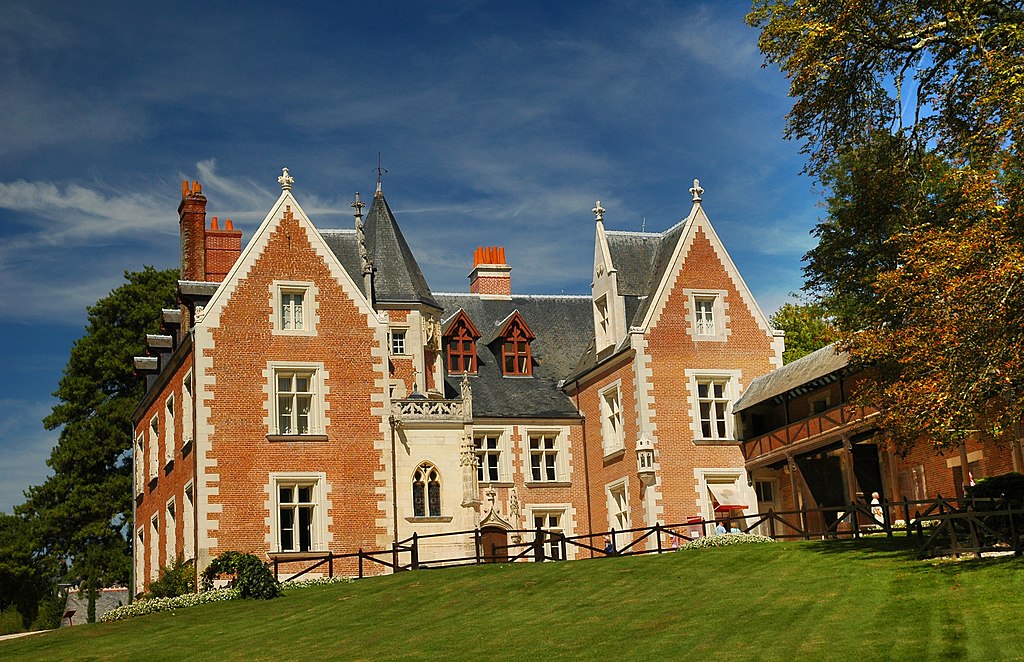
Leonardo da Vinci's Influence at Clos Lucé: A Renaissance Shift in French Culture.
Italy
Art
4 min read
Updated By: History Editorial Network (HEN)
Published:
Updated:
Leonardo da Vinci, renowned Renaissance artist and intellectual, entered the service of King Francis I of France. He relocated to Clos Lucé, a quiet manor house near the royal Château d'Amboise. This shift marked a significant period in his illustrious career, reflecting the broader cultural and scientific exchanges occurring in European courts.
In seeking Leonardo’s expertise, King Francis I aimed to bring Italian artistic and scientific advancements to France. Leonardo was not only recognized for his masterpieces like "Mona Lisa" and "The Last Supper" but also for his diverse contributions in engineering, anatomy, and hydraulics. At Clos Lucé, he was provided the opportunity to work on various projects, ranging from architectural designs to innovative machinery.
Leonardo brought along many of his manuscripts and unfinished works. This environment allowed him interactions with other scientists, artists, and scholars, fostering an exchange of ideas. Though advancing age and health issues limited his physical capacity, he continued to influence through his counsel and sketches.
His period in Clos Lucé concluded with the eventual synthesis of Italian Renaissance ideas into French art and science, laying groundwork for future development. King Francis I’s patronage of Leonardo underscored the importance of supporting intellectual and artistic endeavors. Leonardo's days at Clos Lucé were integral in shaping the cultural landscape of Renaissance France.
#LeonardoInFrance #RenaissanceExchange #CulturalPatronage #HistoricalImpact #MoofLife
Explore the Life Moments of
 AI Twin