Leonardo da Vinci's Gran Cavallo: Art, Science, and the Mastery of Silverpoint Sketching
Italy
Art
Science
3 min read
Updated By: History Editorial Network (HEN)
Published:
Updated:
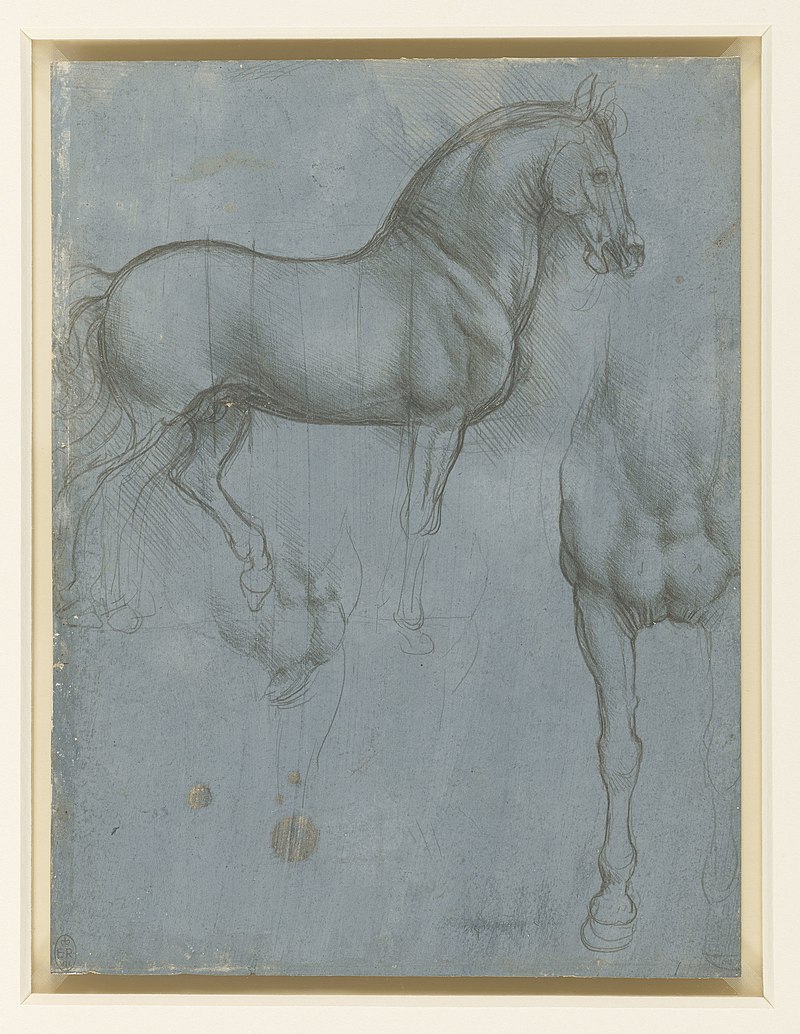
Leonardo da Vinci, the polymath known for his contributions to art, science, and engineering, undertook a pivotal project involving a colossal equestrian statue for Ludovico Sforza, the Duke of Milan. The endeavor, known as the Gran Cavallo, aimed to create the largest horse statue ever constructed. During this time, Leonardo created a silverpoint sketch of a horse, a crucial step in the design process.
The technique of silverpoint involved drawing with a silver rod or wire on a specially prepared surface, producing sharp, precise lines that did not fade over time. This method was favored for its fine detail, essential for Leonardo's detailed studies.
Leonardo's study of the horse anatomy was an embodiment of his meticulous approach to understanding and replicating nature. His sketches included detailed observations of the musculature and bone structure, showcasing his dedication to realism and accuracy. The Gran Cavallo project represented an intersection of art and science, reflecting the humanist ideals of the Renaissance period.
Though the monument was never completed due to political turmoil and the eventual French invasion of Milan, Leonardo's preparatory work had lasting impacts. His studies of horses influenced future artworks and contributed significantly to the field of anatomical studies.
#LeonardoDaVinci #GranCavallo #RenaissanceArt #Silverpoint #EquestrianStatue #MooofLife
Explore the Life Moments of
 AI Twin