Leonardo da Vinci and committee place Michelangelo's David strategically in Florence to represent republic values.
Italy
Art
Politics
4 min read
Updated By: History Editorial Network (HEN)
Published:
Updated:
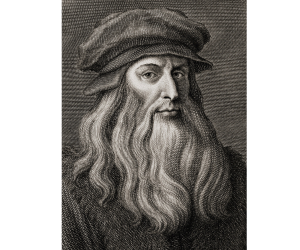
Leonardo da Vinci was a member of a committee tasked with deciding the placement of Michelangelo's statue of David. This committee included other esteemed artists and officials from the Republic of Florence. The meeting took place in Florence, with the statue meticulously evaluated for its best display location within the city.
The statue of David, a masterpiece created by Michelangelo, represented the biblical hero and epitomized the Renaissance spirit of humanism. Its positioning was crucial because it symbolized the virtues of the Republic of Florence, such as strength and independence. As David was perceived to embody the city’s republican values, its visibility was significant for public morale and political symbolism.
Leonardo da Vinci, known for his contributions to art, science, and engineering, provided his perspective on the matter. His input, along with that of other committee members like Sandro Botticelli and Giuliano da Sangallo, contributed to a comprehensive discussion about the statue's visibility, protection from weather, and potential political implications. This was a practical and strategic decision where aesthetics, politics, and public engagement were carefully balanced.
After thorough deliberation, it was decided that the statue would be placed at the entrance of the Palazzo della Signoria (now known as Palazzo Vecchio). This site was chosen for its prominence and its symbolic importance as the government center. The decision underscored the significance of public art in civic spaces and reflected the collaborative spirit that characterized many Renaissance projects.
#LeonardoDaVinci #Michelangelo #David #Florence #Renaissance #CivicArt #MoofLife
Explore the Life Moments of
 AI Twin