
Excavation in Amboise Unearths Possible Da Vinci Skeleton: Historical Find Sparks Debate
Italy
Science Studies
4 min read
Updated By: History Editorial Network (HEN)
Published:
Updated:
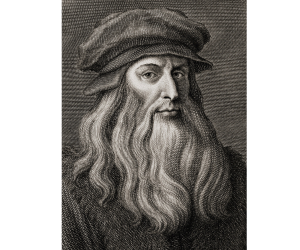
Arsène Houssaye conducted an excavation at a site in Amboise, France. During this dig, Houssaye and his team unearthed a skeleton that they initially believed to be that of Leonardo da Vinci. Noteworthy were the fragments found near the skeleton, inscribed with "Leonardus Vinci," suggesting a link to the famous polymath. The identification of the remains sparked considerable interest and debate among historians and scientists. At the time, the methodologies for confirming the identity of skeletal remains were not as advanced as they are today, adding a layer of complexity to the claims.
Leonardo's contributions to art, science, and engineering have made him an enduring figure, and the possibility that his remains had been found was seen as providing a tangible connection to his life and work. However, challenges in validating the authenticity of the find have led to ongoing discussions in academic circles. This discovery was significant in the 19th century as it stirred public and scholarly interest in Leonardo's life, influencing the study of Renaissance history.
The implications of Houssaye’s discovery extended to the cultural heritage and historical narratives of the period. It underlined the importance of scientific advancements in archaeology and forensic studies. Although conclusive identification of Leonardo's remains has yet to be achieved, the excavation highlighted the necessity of interdisciplinary approaches in historical investigations.
#Archaeology #LeonardoDaVinci #RenaissanceHistory #ForensicScience #MoofLife
Explore the Life Moments of
 AI Twin