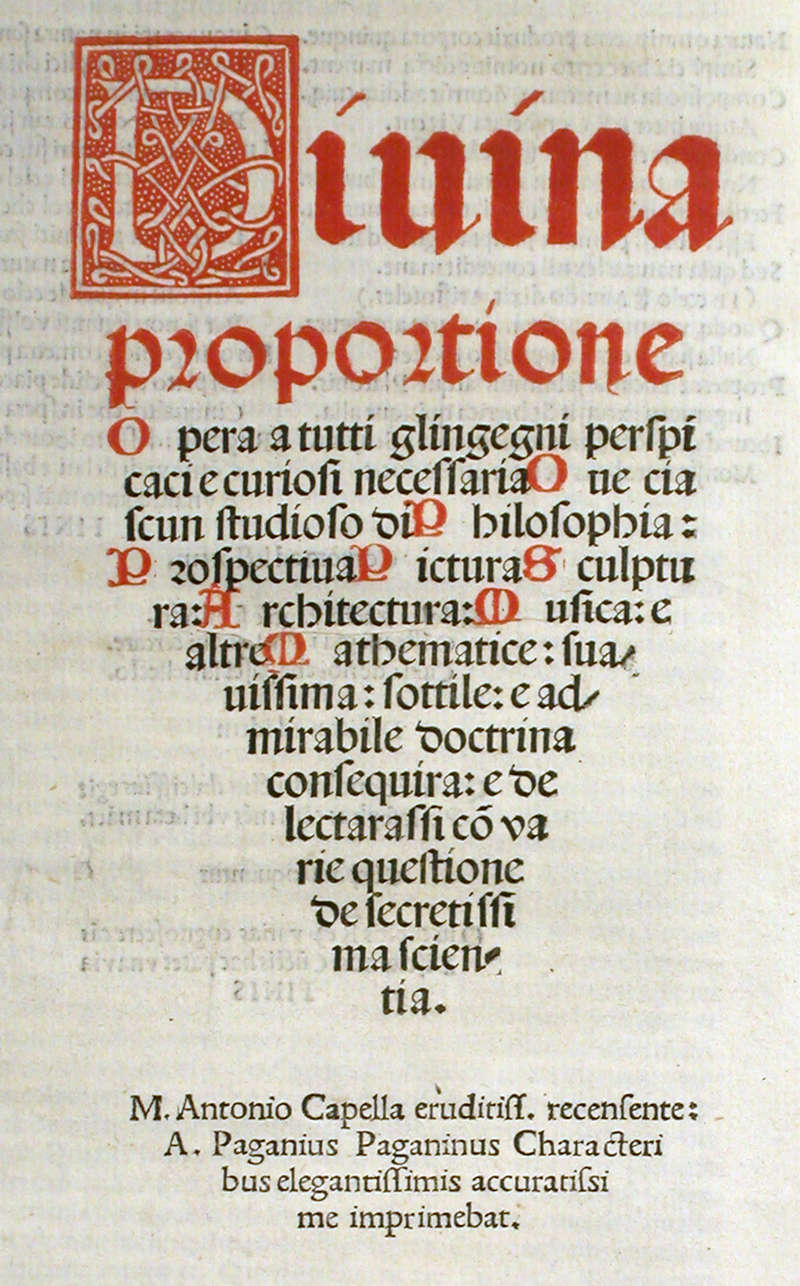
Divina Proportione: Linking Mathematics and Art in Renaissance Scholarship'
Italy
Science
Art
4 min read
Updated By: History Editorial Network (HEN)
Published:
Updated:
The publication of 'Divina Proportione' marked a significant milestone in the history of mathematical and artistic scholarship. Authored by the Italian mathematician Luca Pacioli, the book delves into the study of the golden ratio, an important mathematical concept that appears in various natural phenomena and classical works of art. Pacioli's extensive treatment of this ratio underscores its importance in both mathematics and its application to aesthetics.
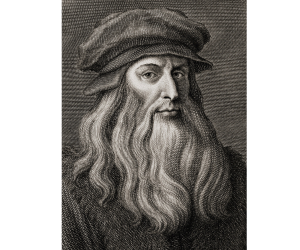
One of the key features of 'Divina Proportione' is the inclusion of detailed illustrations of geometric solids. These illustrations were provided by Leonardo da Vinci, a figure renowned for his mastery in bridging the gap between art and science. Leonardo's contributions to the book not only enhanced its visual appeal but also demonstrated the application of geometric principles in artistic endeavors.
The publication included sections on mathematics, architecture, art, and anatomy, making it an interdisciplinary work. It influenced the Renaissance perspective on proportion, contributed to the development of linear perspective in art, and provided a comprehensive understanding of the relationship between geometry and forms.
This book had far-reaching impacts, resonating with scholars, artists, and architects of the time. The collaboration between Pacioli and Leonardo highlighted the symbiotic relationship between scientific rigor and artistic creativity.
#Mathematics #ArtHistory #GeometricSolids #GoldenRatio #LeonardoDaVinci #InterdisciplinaryScience #MathematicsInArt #MoofLife
Explore the Life Moments of
 AI Twin