Rise of Emirate under Emir Haydar Shihab
Lebanon

Political
6 min read
Updated By: History Editorial Network (HEN)
Published:
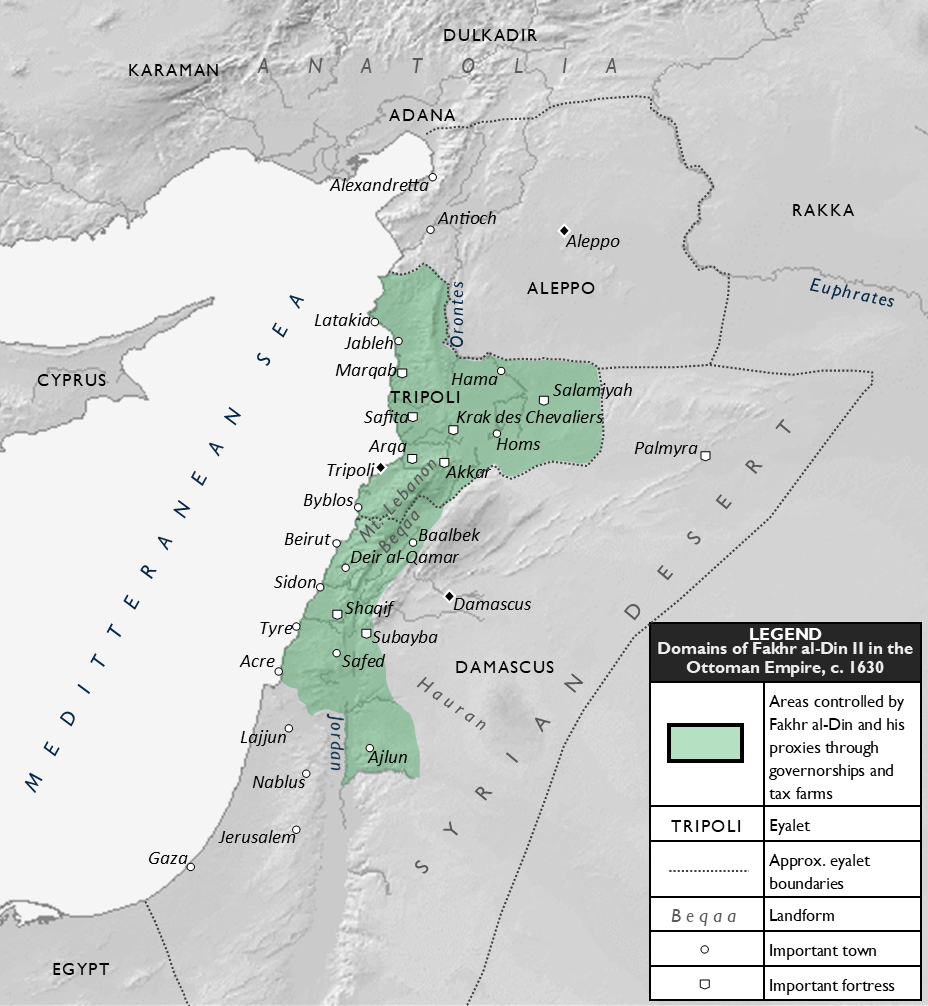
The political landscape of Mount Lebanon underwent considerable transformation with the establishment of the Emirate under the rule of Emir Haydar Shihab. This geo-political shift followed a series of persistently strategic moves aimed at unifying a fragmented region that was marked by various local chieftains and a complex tapestry of religious communities. The Shihab family, originally Sunni Muslim of nobility, had previously exerted influence over a portion of Lebanon, but it was under Emir Haydar that their dominion expanded comprehensively.
Emir Haydar Shihab played a pivotal role in consolidating control and bringing a brief period of relative stability. His leadership was characterized by astute alliances with influential local leaders and pragmatic engagement with the Ottoman authorities who held overarching power in the region. This political acumen allowed the Emirate to flourish, providing a tentative framework for future governance and laying a foundation for socio-economic interactions across Mount Lebanon.
The impact of Shihab's rule can be quantified through various aspects. The population of Mount Lebanon saw a demographic consolidation under the emirate's overseer, fostering an environment that could support agricultural development and artisanal trade. Trade routes became more secure, allowing for the influx and efflux of goods which were pivotal for economic sustenance. While exact figures are scarce, the period under Emir Haydar’s rule witnessed an increase in localized stability and administrative coherence, creating a rippled effect on the region's prosperity.
Most notably, the period set in motion changes in administrative practices, where the balance of sectarian affiliations began to shift subtly over time. Although Emir Haydar was a Sunni Muslim, his policies were integrative, setting a pragmatic precedent for managing diverse religious sects including Maronites and Druze in the area.
Under his tenure, social cohesion in multi-faith communities saw pragmatic growth, enabling a more widespread acceptance of cultural pluralism. The changes emblematic of his rule served as early indicators of the diverse socio-political fabric that Lebanon would become known for.
This establishment under Emir Haydar Shihab marks a pivotal juncture in Lebanon's history, and its impacts are integral to understanding the region's subsequent socio-political evolution.
#MountLebanon #PoliticalHistory #LebaneseEmirate #ShihabDynasty #MoofLife
Primary Reference
Emirate of Mount Lebanon - Wikipedia

Explore the Life Moments of
 AI Twin