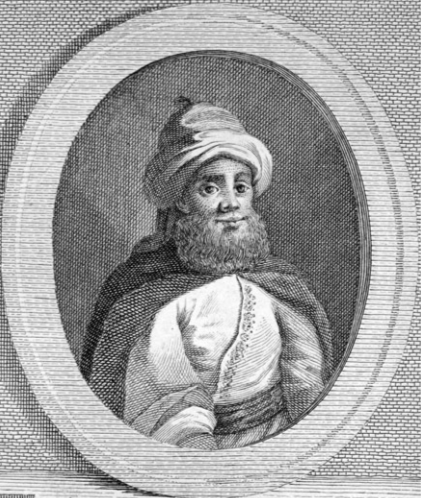
Exile of Fakhr-al-Din II to Tuscany
Lebanon

Political
4 min read
Updated By: History Editorial Network (HEN)
Published:
Fakhr-al-Din II, a prominent Druze emir in Mount Lebanon, challenged Ottoman authority by allying with European powers like the Grand Duchy of Tuscany. His attempts to secure an independent Druze state and expand Lebanese influence brought significant attention from the Ottoman Empire. To curb his growing power, the Ottomans launched a military campaign against him. After a series of confrontations, the Ottomans succeeded in capturing Fakhr-al-Din II.
Following his defeat, the Ottomans decided to exile him to Tuscany, aiming to dismantle his political network and deter future rebellions. This exile marked a turning point in Lebanese history, diminishing the control and regional influence Fakhr-al-Din II once wielded. It weakened the power structure of the local emirs and disrupted the tenuous balance between different factions within Lebanon.
Exiling Fakhr-al-Din II temporarily checked the aspirations for Lebanese autonomy under local leaders. It also exemplified the Ottoman methods for managing rebellious provincial leaders, utilizing exile as a tool of control. The Ottomans managed to stabilize their rule in Lebanon temporarily through this act, but tensions lingered as local populations remained disillusioned with central authority.
This period underscored the complexities of Ottoman provincial governance, where local leaders often oscillated between collaboration and rebellion, seeking opportunities to expand their influence amidst the empire's declining control. The incident involving Fakhr-al-Din II became a significant part of Lebanon's historical narrative, influencing subsequent generations in their quest for autonomy and shaping the national identity.
#LebanonHistory #OttomanEmpire #FakhrAlDinII #DruzeLeadership #PoliticalExile #MountLebanon #MoofLife
Primary Reference
Fakhr al-Din II - Wikipedia

Explore the Life Moments of
 AI Twin