Occupation of Latvia by Nazi Germany
Latvia
6 min read
Updated By: History Editorial Network (HEN)
Published:
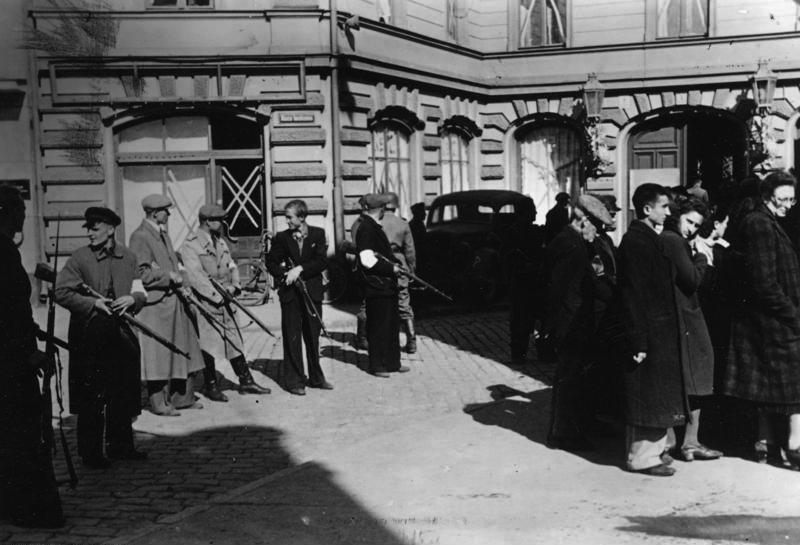
On July 1, 1941, Nazi Germany’s forces occupied Riga, the capital of Latvia, marking the beginning of a brutal occupation during World War II. This event occurred during Operation Barbarossa, the massive German invasion of the Soviet Union that began on June 22, 1941. Riga's capture was a significant moment in the shifting tides of control over the Baltic region.
Background:
Latvia, like its Baltic neighbors, had been under Soviet occupation since 1940 following the Nazi-Soviet Pact. This period was marked by mass arrests, deportations, and executions orchestrated by Soviet authorities. However, Nazi Germany’s invasion of the Soviet Union brought Latvia under German occupation, replacing one oppressive regime with another.
The Occupation of Riga:
By late June 1941, German forces had rapidly advanced through the Baltic region. On July 1, they entered Riga, encountering minimal resistance due to the retreat of Soviet forces. Many Latvians initially viewed the Germans as liberators from Soviet oppression, hoping for restored independence. However, these hopes were quickly dashed as the true nature of Nazi rule emerged.
Nazi Policies in Latvia:
Under Nazi control, Latvia became part of the Reichskommissariat Ostland, a Nazi administrative territory. German authorities implemented oppressive policies targeting Jews, communists, and other groups they deemed undesirable:
The Holocaust in Latvia: Nazi occupation marked the start of one of the most horrific periods in Latvian history. Riga became a site of mass atrocities, including the establishment of the Riga Ghetto, where tens of thousands of Jews were confined before being systematically murdered in the Rumbula massacres and other executions.
Forced Labor and Exploitation: Latvians were subjected to forced labor, with resources and manpower redirected to serve the German war effort.
Suppression of National Identity: The Nazis had no intention of granting Latvia independence, treating it instead as a German colony.
Latvian Resistance and Collaboration:
The Nazi occupation saw a complex and painful period of Latvian history. Some Latvians collaborated with the Nazis, often out of anti-Soviet sentiment or coercion. Others joined resistance movements, fighting for Latvian sovereignty or against the atrocities committed by the occupiers.
Lasting Impact:
The occupation of Riga was a pivotal moment in Latvia’s history, leading to profound suffering and loss. Both the Nazi and preceding Soviet occupations devastated Latvian society, culture, and population. Today, the events of 1941 are remembered as part of a broader narrative of Latvia's resilience and its struggle for independence in the face of successive oppressive regimes.
#MomentsOfLife #MoofLife_Moment #MoofLife #LatviaUnderNaziRule #WorldWarIIHistory #Holocaust
Primary Reference
German occupation of Latvia during World War II - Wikipedia
Explore the Life Moments of
 AI Twin