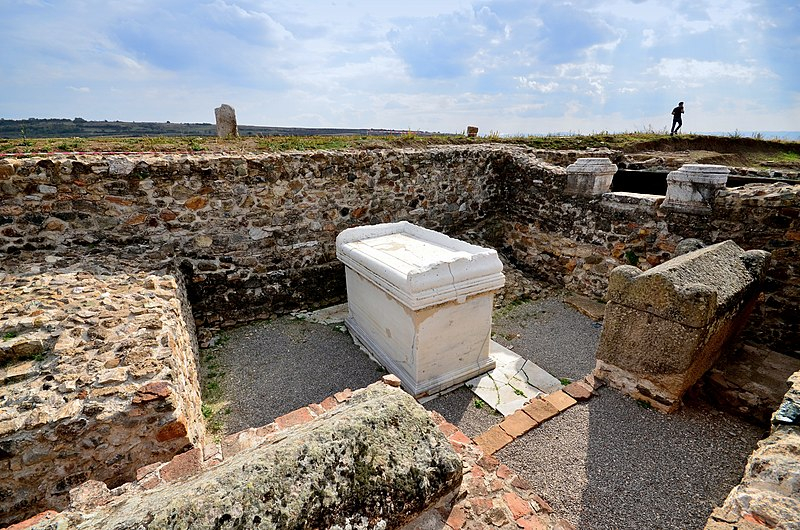
Ulpiana's Status Upgrade: Roman Municipium and Urban Development in Ancient Kosovo
Political
Economic Downturn
4 min read
Updated By: History Editorial Network (HEN)
Published:
Updated:
Ulpiana, an ancient city located in the province of Dardania in what is now Kosovo, experienced a consequential upgrading during the early 2nd century CE. Under the reign of Emperor Trajan, Ulpiana was officially elevated to the status of a Roman municipium. This shift in designation meant that Ulpiana was recognized as a self-governing city with its own local government, laws, and rights. This included the privileges of Roman citizenship for its free inhabitants and the ability to elect magistrates.
The decision likely reflected Ulpiana's growth in both size and importance in regional trade and administration. Its strategic location facilitated the movement of goods and contributions to the broader economic networks of the Roman Empire. The municipium status also provided opportunities for local elites to gain prominence, further integrating Ulpiana into the Roman political and social systems.
This development had profound implications for urban planning and infrastructure in the city. Public buildings, roads, and other architectural advances were funded and constructed, leading to enhanced urban lifestyles for inhabitants. This change fostered closer ties between the local population and the broader empire, laying a foundation for prosperity and stability that lasted for centuries.
The upgrading of Ulpiana to a Roman municipium serves as a notable example of the administrative and social strategies employed by the Roman Empire to maintain control and integrate diverse regions. This moment illustrates the spread of Roman cultural, legal, and economic practices across its territories.
#Ulpiana #EmperorTrajan #RomanEmpire #KosovoHistory #AncientCities #MoofLife

Explore the Life Moments of
 AI Twin