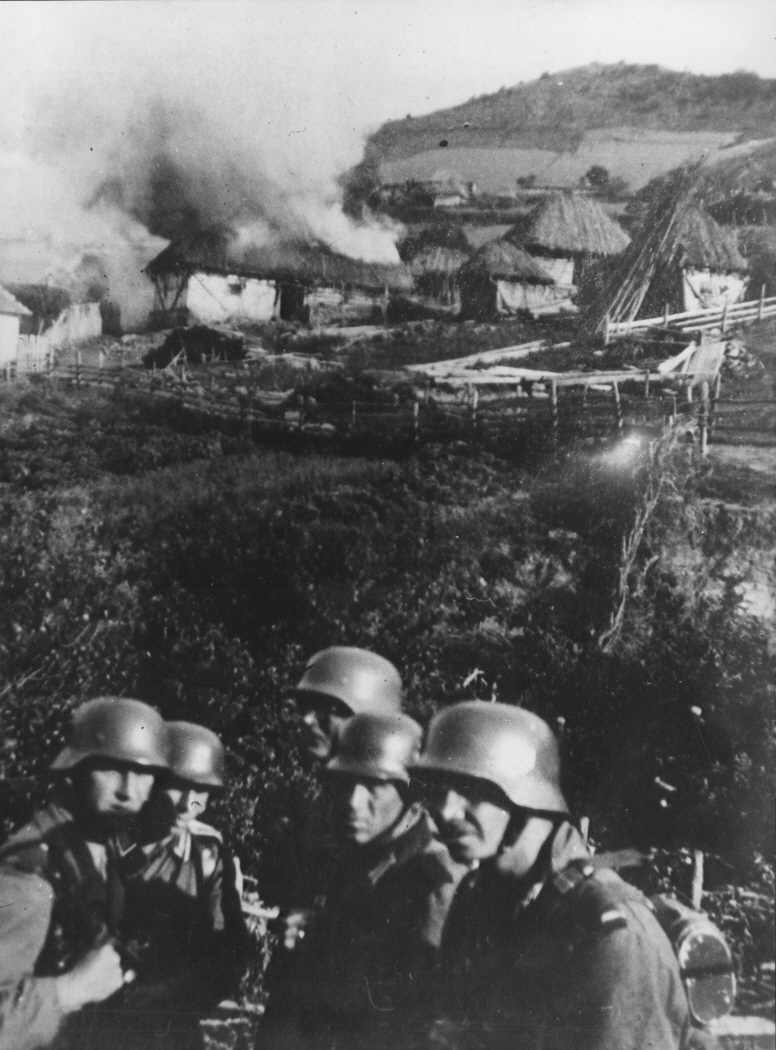
Nazi Germany's Invasion of Yugoslavia in World War II: Strategic operation with lasting consequences in Balkans.
Political
Military
5 min read
Updated By: History Editorial Network (HEN)
Published:
Updated:
The invasion of Yugoslavia by Nazi Germany was a key strategic operation during World War II. Prior to the invasion, Yugoslavia was under political turmoil and attempts to maintain its neutrality amidst growing tensions in Europe. However, after a coup d'état in Belgrade that ousted the pro-Axis government, Adolf Hitler ordered the swift invasion and subjugation of the country to ensure a secure route for German forces heading towards Greece and to suppress any resistance that could jeopardize Axis interests in the Balkans.
The military operation was codenamed "Operation 25" and involved coordinated attacks by Nazi Germany, along with allied forces from Italy, Hungary, and Bulgaria. The invasion unfolded rapidly, with Wehrmacht forces advancing from multiple fronts, utilizing superior air power and mechanized divisions. Within days, the Yugoslav Royal Army, ill-prepared and fragmented, succumbed to the Blitzkrieg tactics, leading to the occupation and subsequent dismemberment of Yugoslavia.
The invasion had significant impacts on the region, particularly in Kosovo, which saw a rise in tensions and violence. The province was initially annexed by Albania under Italian control. The local population experienced brutality, forced migrations, and destruction, contributing to the longstanding ethnic and political disputes in the area.
In terms of casualties and impact, the operation led to widespread destruction and loss of life. The German High Command reported relatively few casualties compared to the heavy toll on Yugoslav forces and civilians. The occupation and division of Yugoslavia altered the Balkan geopolitical landscape, laying groundwork for future conflicts and resistance movements that arose against Axis occupation.
Post-invasion, the region saw the establishment of puppet governments and a surge in partisan resistance led by figures such as Josip Broz Tito, resulting in further instability and violence throughout the occupation period.
#MoofLife #WWII #NaziInvasion #Yugoslavia #Kosovo #MilitaryHistory #Operation25

Explore the Life Moments of
 AI Twin