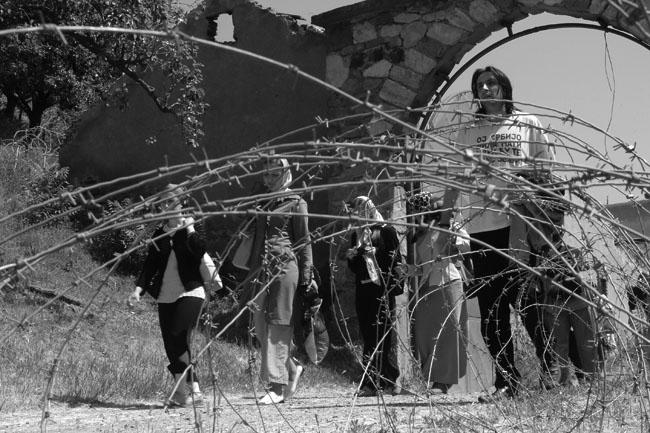
Escalating Tensions in Kosovo: Ethnic violence leads to casualties, destruction, and strained relations.
Political
Global Trade
4 min read
Updated By: History Editorial Network (HEN)
Published:
Updated:
Tensions in Kosovo, stemming from long-standing ethnic divisions, escalated into a major outbreak of violence. The unrest led to the deaths of 27 individuals and left over 900 people injured. These clashes resulted in considerable damage to cultural heritage sites. The events were part of an ongoing struggle that pitted ethnic Albanians against Serbians within the region. This conflict was rooted in historical grievances, ethnic tensions, and political instability.
The violence saw many homes and religious buildings, notably Serbian Orthodox churches, being targeted and destroyed. This destruction of cultural and religious sites only served to deepen the animosity between the two communities. International peacekeeping forces present in Kosovo at the time were also involved, struggling to contain the situation and protect civilians.
The impact of these events was far-reaching, not only in terms of human casualties and physical damage but also in the further deterioration of inter-ethnic relations in the region. Efforts to stabilize Kosovo and foster peace faced significant setbacks because of the violence. The international community expressed significant concern, with calls for renewed dialogue and reconciliation.
The clashes in Kosovo highlight the challenges in achieving lasting peace in regions plagued by deep-seated ethnic conflicts. They underscore the importance of continued efforts towards conflict resolution, cultural preservation, and community cooperation.
#KosovoConflict #EthnicTensions #CulturalHeritage #Peacekeeping #CommunityImpact #MoofLife

Explore the Life Moments of
 AI Twin