Kodak Develops Super 8 Format and Simplifies Home Movie Filmmakin
United States
6 min read
Updated By: History Editorial Network (HEN)
Published:
In 1965, Eastman Kodak introduced the Super 8 film format, a new motion picture system designed to make home moviemaking easier and more accessible. Announced at the 1964–1965 New York World's Fair and officially launched in 1965, Super 8 combined an improved 8 mm film format with a convenient cartridge-loading system. The first Super 8 cartridges were supplied with Kodachrome II color film, allowing users to load film into cameras quickly without threading or handling exposed film directly. This simplified process helped expand amateur filmmaking during the second half of the 20th century.
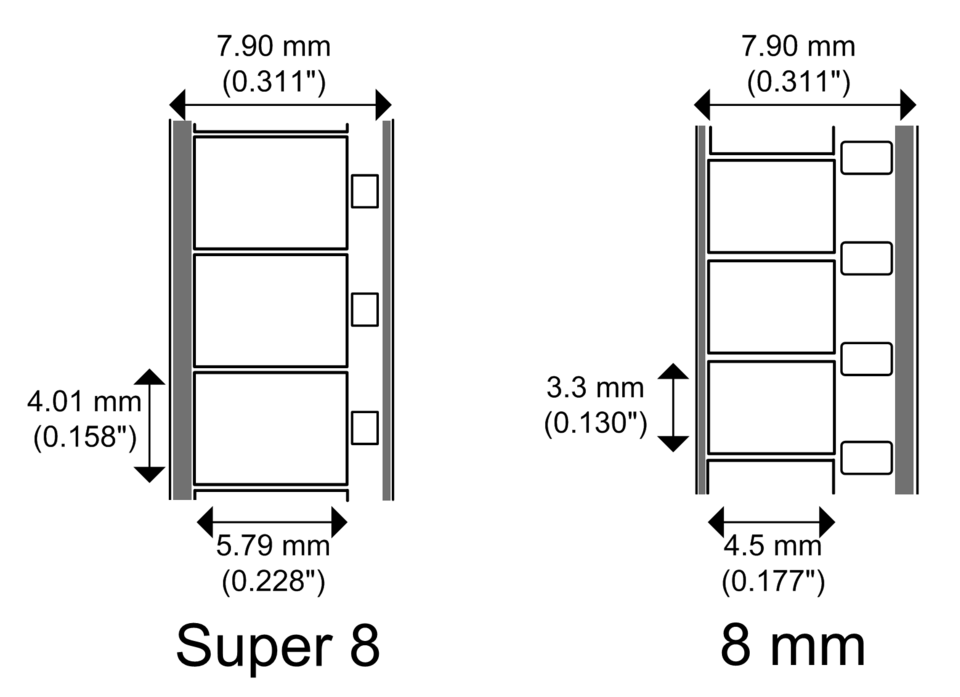
Super 8 was developed as an improvement over Standard 8 mm film. By reducing the size of the perforations along the film edges, Kodak increased the image area by approximately 50 percent compared with the earlier format. The larger frame produced sharper images and improved picture quality while retaining the compact size that made 8 mm film popular with consumers. The cartridge system also reduced loading errors and made cameras easier to operate for families, hobbyists, and travelers.
The launch included a new generation of Super 8 cameras from Kodak and other manufacturers. During the following years, companies such as Canon, Bell & Howell, Bauer, Nizo, and Nikon introduced cameras supporting the format. Super 8 quickly became the dominant home-movie medium, replacing Standard 8 in many markets. Families used it to record vacations, celebrations, sporting events, and everyday life, while schools, clubs, and community organizations adopted it for educational and documentary purposes.
The format continued to evolve after its introduction. In 1973, Kodak added Super 8 sound film cartridges that allowed synchronized magnetic sound recording. Super 8 also attracted professional and independent filmmakers because of its portability and distinctive visual appearance. Although consumer video cameras gradually reduced demand for film-based home movies during the 1980s, Super 8 remained popular among artists, students, and filmmakers who appreciated its unique cinematic characteristics.
Why This Moment Matters
The introduction of Super 8 in 1965 combined improved image quality with a user-friendly cartridge system, making motion picture filmmaking accessible to millions of consumers. The format became one of the most recognizable home-movie technologies of the 1960s and 1970s and preserved countless personal, family, and community memories on film.
#Kodak #Super8 #FilmHistory #HomeMovies #KodachromeII #MotionPictureFilm #PhotographyHistory #MovieMaking
Primary Reference
Kodak

Explore the Life Moments of
 AI Twin