Ektachrome Film Is Released
United States
5 min read
Updated By: History Editorial Network (HEN)
Published:
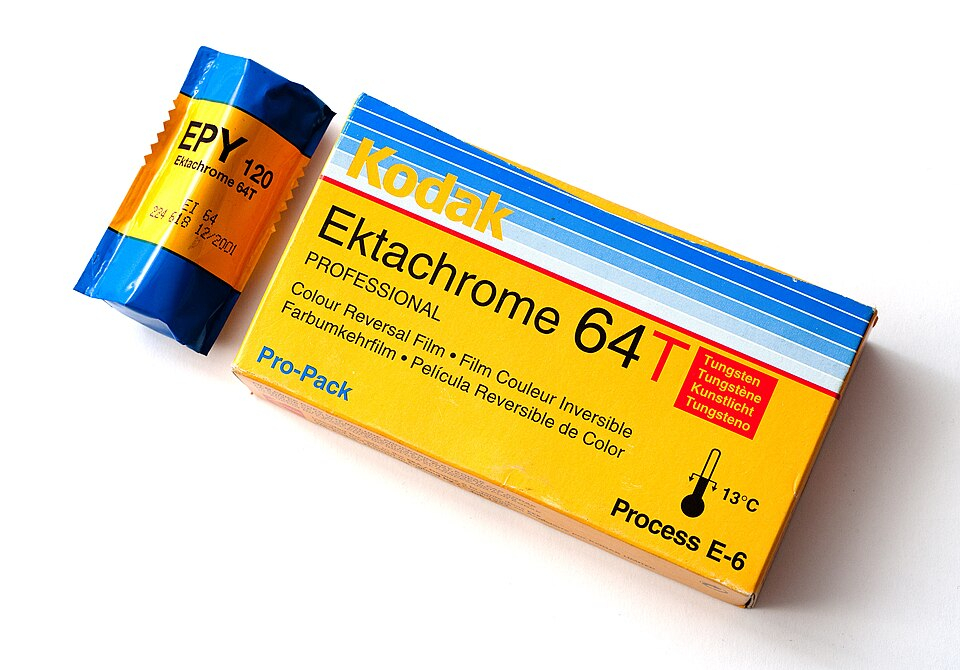
In 1946, Eastman Kodak introduced KODAK EKTACHROME Transparency Sheet Film, a color transparency film that photographers could process themselves using Kodak chemical kits. The release marked a change in color photography because earlier color films such as Kodachrome generally required processing at specialized Kodak laboratories. Ektachrome allowed photographers to develop color transparencies independently, giving professionals and advanced amateurs greater control over their work and reducing the time required to see results.
The first Ektachrome product was introduced in sheet film format and was available in both daylight-balanced and tungsten-balanced versions. Early films had a speed of approximately ASA 8 to 10 and were designed for producing positive color transparencies, commonly known as slides. Kodak also marketed chemical processing kits specifically for the film, enabling users to carry out the multi-step color reversal process themselves. This capability distinguished Ektachrome from Kodachrome, whose more complex development process required specialized facilities.
About a year after the initial release, Kodak expanded Ektachrome into roll-film formats, including 120 and 620 sizes. Over the following decades, the Ektachrome line grew into one of Kodak’s best-known color transparency film families, appearing in sheet film, medium format, 35 mm, and motion picture formats. The film became widely used in editorial, scientific, commercial, and travel photography, including extensive use by photographers working for publications such as National Geographic.
Ektachrome continued to evolve through a series of processing systems, including the E-1, E-2, E-3, E-4, and later E-6 processes. Improvements in chemistry increased convenience, image stability, and accessibility for photographers and laboratories. The film remained a recognizable part of color photography for decades and has experienced renewed interest among film photographers in the 21st century.
Why This Moment Matters
Ektachrome's introduction in 1946 expanded access to color transparency photography by allowing photographers to process their own film. The combination of color imaging and user-controlled development helped make professional-quality color photography more practical in studios, newsrooms, and independent darkrooms during the postwar era.
#Kodak #Ektachrome #PhotographyHistory #ColorPhotography #FilmPhotography #EastmanKodak #TransparencyFilm #PhotoTechnology
Primary Reference
Kodak

Explore the Life Moments of
 AI Twin