Controversial Film Reveals Dark Secrets
Artistic Expression
Media Intrusion
4 min read
Updated By: History Editorial Network (HEN)
Published:
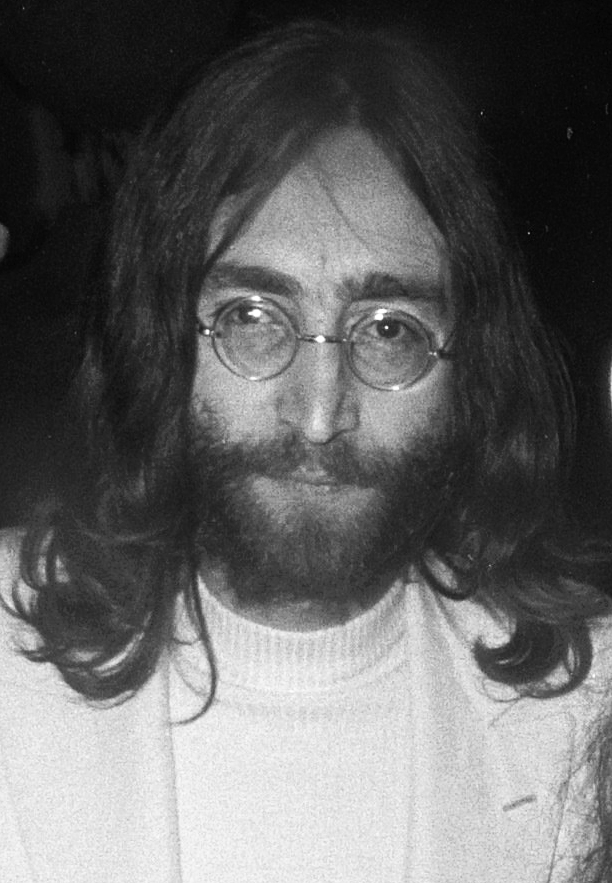
In the late 1960s, John Lennon extended his creative pursuits beyond music, delving into experimental film. One such project was 'Rape,' co-created with Yoko Ono. The film follows an unsuspecting woman being persistently pursued by a camera crew, an endeavor meant to evoke feelings of vulnerability and intrusion. Lennon and Ono sought to provide a stark commentary on privacy invasions and the media's relentless scrutiny.
The woman in the film was Eva Majlata, a Hungarian woman residing in London. The camera crew shadowed her throughout the city, capturing her attempts to escape the increasingly oppressive and invasive lens. 'Rape' intentionally blurs the line between staged art and reality, raising questions about the byproducts of persistent public attention.
Upon its release, 'Rape' received mixed reactions. Some hailed the film as a groundbreaking exploration of personal boundaries and the invasive nature of media, while others found its approach unsettling. The film wasn't widely distributed, and its avant-garde nature limited its audience, but it nevertheless contributed to ongoing debates about privacy and the ethics of filmmaking.
This period marked a broader shift in Lennon's career, showcasing his willingness to confront controversial and unconventional subjects through different artistic mediums. The collaboration with Ono underscored their shared commitment to pushing the boundaries of art to reflect social commentary.
'Rape' belongs to the wider context of Lennon and Ono's partnership, characterized by their experimental endeavors and activism. The film remains a testament to Lennon's interdisciplinary talents and his interest in using art to provoke thought and discourse.
#JohnLennon #YokoOno #ExperimentalFilm #MediaIntrusion #ArtisticExpression #Privacy #MoofLife
Primary Reference
John Lennon - Wikipedia
Explore the Life Moments of
 AI Twin