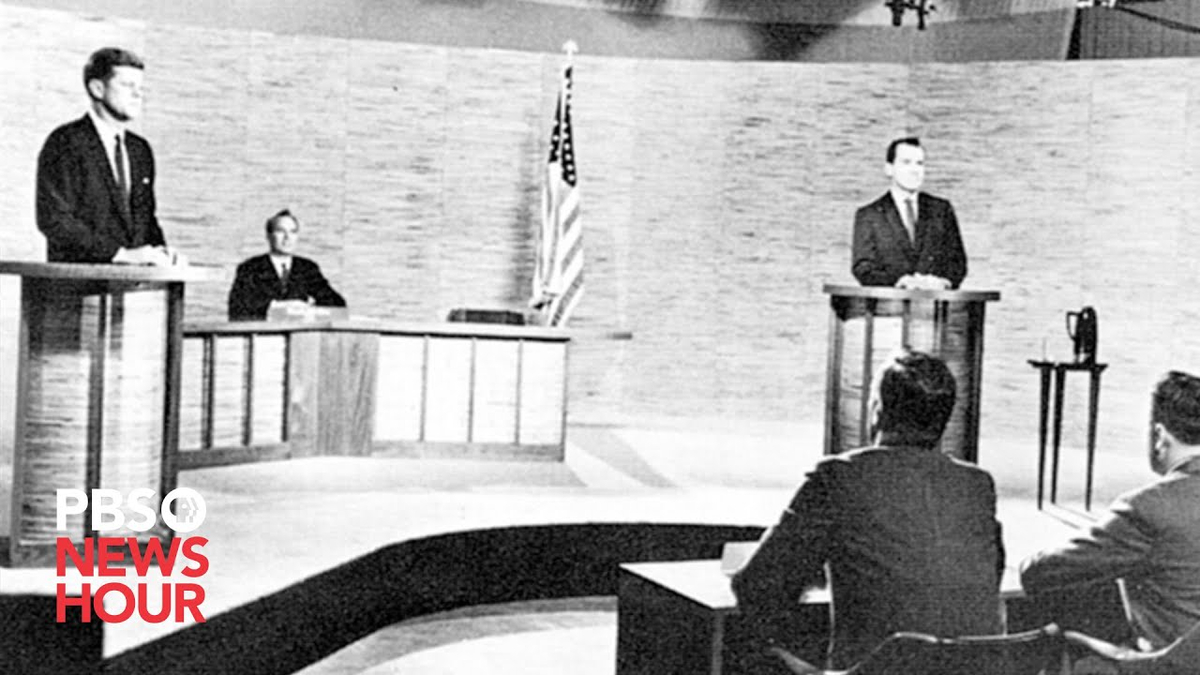
Key Moments in Second Kennedy-Nixon Debate: Critical TV medium, policy differences, audience perception.
United States of America
Political
5 min read
Updated By: History Editorial Network (HEN)
Published:
In early October, John F. Kennedy and Richard Nixon participated in the second televised presidential debate, which took place in Washington D.C. Both candidates were vying for the U.S. presidency, seeking to sway undecided voters in the closely contested race. This debate marked a pivotal moment as it was a key opportunity for millions of Americans to assess the candidates' policies and demeanor through the relatively new medium of television.
Kennedy, the Democratic candidate, and Nixon, the incumbent Vice President from the Republican Party, previously faced each other in the first ever televised presidential debate, which had mixed reviews but significantly impacted public perception. The second debate continued to highlight the contrasts between the two men.
In this debate, the candidates tackled issues ranging from defense policies and the economy to civil rights and international relations, specifically focused on the Cold War climate. Kennedy advocated for stronger civil rights policies and criticized the current administration's handling of the Cold War, arguing for a more proactive stance. Nixon defended the administration's record, emphasizing his experience and the need for steady progress.
Television audience perceptions played a crucial role. For viewers, Kennedy appeared confident and articulate, resonating with a broader audience in terms of presentation and delivery. Nixon, although experienced in foreign policy, struggled with his presentation due to his physical appearance and health which historically matched viewers' less favorable perceptions.
Gallup polls before and after the debate showed a distinct shift towards Kennedy, especially among undecided and younger voters. The significance of televised debates thus became evident as a powerful tool in swaying public opinion. Analysis of the debates indicated that Kennedy's more telegenic presence and clear communication style provided him an edge.
These debates underscored the increasing influence of television on politics, altering how campaigns were conducted and highlighting the importance of media-savvy candidates. The encounter between Kennedy and Nixon illustrated the pivotal interplay between policy discussion and media influence in modern electoral politics, setting the stage for future political campaigns.
#KennedyNixonDebates #USPresidentialDebate #TelevisionPolitics #ColdWarEra #PoliticalHistory #MoofLife
Primary Reference
TNC:172 Kennedy-Nixon First Presidential Debate, 1960 - YouTube
Explore the Life Moments of
 AI Twin