Kennedy's Treaty: Curbing Nuclear Tests, Promoting Global Stability
United States of America
Political
Global Trade
4 min read
Updated By: History Editorial Network (HEN)
Published:
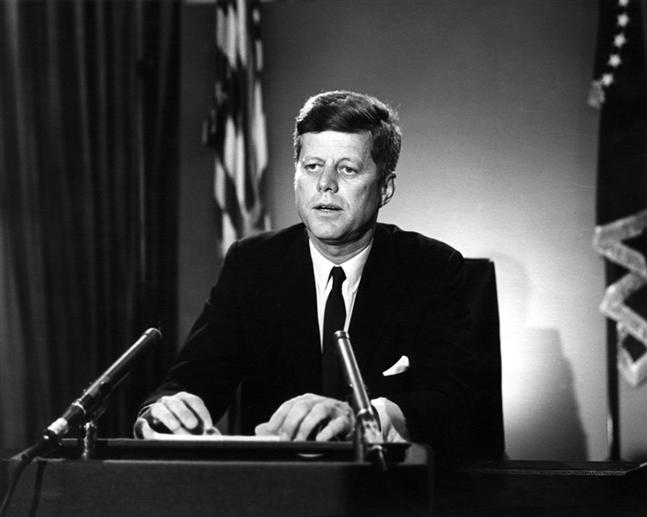
John F. Kennedy signed the Partial Nuclear Test Ban Treaty, an agreement that prohibited nuclear tests in the atmosphere, outer space, and under water. This treaty was the culmination of extensive negotiations aimed at curbing the proliferation of nuclear weapons and minimizing the accompanying environmental and health hazards.
The background to this treaty involves the heightened tensions of the Cold War, where the United States and the Soviet Union led an arms race that included numerous nuclear tests. These tests contributed significantly to the radioactive contamination of the environment, leading to global concern. Research and public pressure played a crucial role in advancing the negotiations.
The treaty, finalized and signed by representatives from the United States, the Soviet Union, and the United Kingdom, marked a pivotal step towards nuclear disarmament and the establishment of a framework through which nuclear testing would be strictly regulated. Although the treaty did not ban tests underground and some countries refrained from signing it, it was viewed as a substantial move towards reducing the risk of nuclear war and promoting global stability.
The impact of the treaty extended beyond the immediate reduction of atmospheric, underwater, and outer space nuclear tests. It encouraged further diplomatic efforts towards broader arms control agreements, including the Nuclear Non-Proliferation Treaty. Additionally, it demonstrated the potential for cooperation between rival superpowers, setting a precedent for future treaties aimed at arms reduction and peacebuilding.
#NuclearDisarmament #ColdWarDiplomacy #EnvironmentalProtection #ArmsControl #KennedyLegacy #InternationalRelations #PeaceEfforts #MoofLife
Primary Reference
Nuclear Test Ban Treaty | JFK Library
Explore the Life Moments of
 AI Twin