Executive Order 10925: Promoting Equal Employment for Minorities in Government Contracting
United States of America
Political
Civil Rights
4 min read
Updated By: History Editorial Network (HEN)
Published:
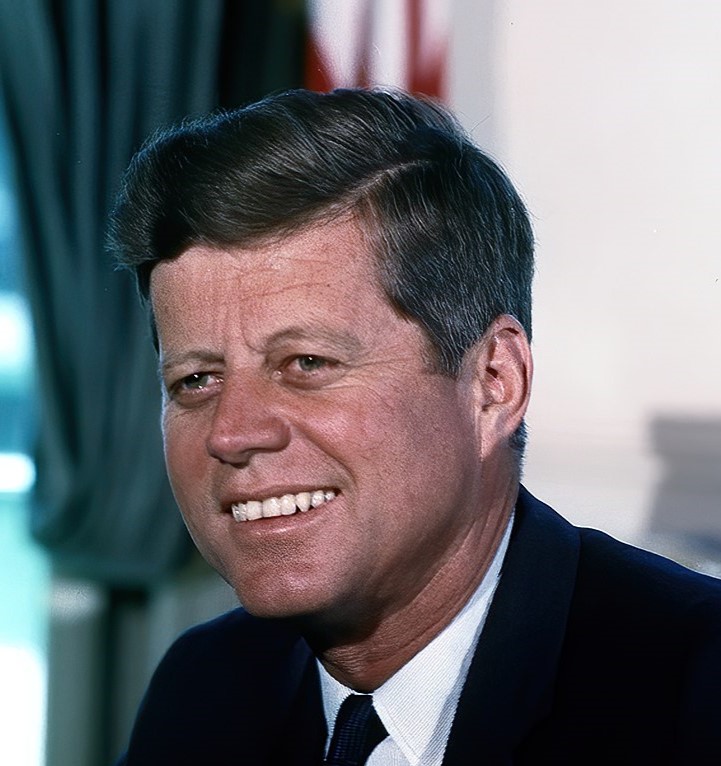
John F. Kennedy signed Executive Order 10925, mandating that government contractors take affirmative action to ensure non-discriminatory employment practices. This executive order introduced measures to prevent discrimination based on race, creed, color, or national origin in hiring. The order also established the President’s Committee on Equal Employment Opportunity (PCEEO), tasked with the responsibility of overseeing enforcement.
Background to the mandate, leading up to this decision, was the civil rights movement gaining momentum across the country. Tensions related to racial inequality and segregation were prevalent, creating a national call for equal rights and opportunities. Prior to this executive order, barriers in hiring and employment for minorities were widespread and systemic.
The impact of Executive Order 10925 was significant in shaping future policies surrounding civil rights and employment practices. This directive marked one of the initial uses of affirmative action within the federal government to promote equal opportunity. It laid a foundation for subsequent legislation and actions aimed at combating workplace discrimination. The PCEEO, established by this order, was tasked with the critical role of investigating complaints and ensuring that government contractors adhered to non-discriminatory practices.
Statistics from subsequent decades showed gradual yet measurable improvements in employment opportunities for minorities as government contractors adapted to comply with these new standards. Though challenges and resistance remained, the framework set by Kennedy’s executive order provided essential strides towards greater workplace equality.
#AffirmativeAction #EqualOpportunity #EmploymentEquality #CivilRights #JohnFKennedy #MoofLife
Primary Reference
History of Executive Order 11246 | U.S. Department of Labor
Explore the Life Moments of
 AI Twin