Cuban Missile Crisis: U-2 Spy Planes Uncover Soviet Missile Sites, Leading to Tense Standoff
United States of America
Political
Global Trade
5 min read
Updated By: History Editorial Network (HEN)
Published:
During a routine reconnaissance mission, U-2 spy planes captured detailed images revealing the construction of Soviet missile sites in Cuba. This discovery initiated a confrontation that would become a historical milestone, widely known as the Cuban Missile Crisis.
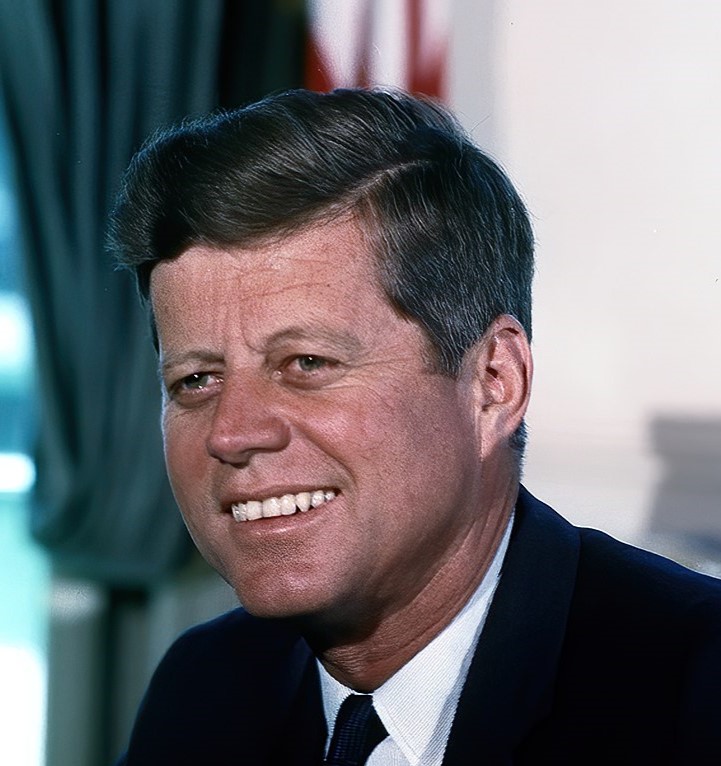
The United States, under the leadership of President John F. Kennedy, quickly recognized the gravity of the situation. The photographs confirmed the presence of medium-range ballistic missiles capable of striking major American cities. This strategic threat escalated tensions between the United States and the Soviet Union, bringing the world to the brink of nuclear war.
Upon reviewing the intelligence, Kennedy and his advisors immediately convened to discuss possible responses. The options included a diplomatic approach, imposing a naval blockade around Cuba, or launching an airstrike to eliminate the missiles. Ultimately, the administration decided on a blockade, termed a "quarantine," aimed at preventing further shipments of military equipment to Cuba.
This confrontation marked a critical juncture in the Cold War. The discovery of the missile sites and the ensuing standoff highlighted the potential catastrophic consequences of the nuclear arms race. The crisis lasted for thirteen days, during which time intense negotiations took place between the United States and the Soviet Union.
Kennedy's administration communicated their demands clearly: the dismantling and removal of Soviet missiles from Cuba. Amidst rising global tensions and widespread fears of a nuclear conflict, both superpowers managed to reach an agreement. Soviet Premier Nikita Khrushchev agreed to dismantle the missile sites in exchange for the United States' commitment not to invade Cuba. Additionally, the U.S. secretly agreed to remove its missiles from Turkey, which were within striking distance of the Soviet Union.
The resolution of this confrontation had profound implications. It led to the establishment of a direct communication link between Washington and Moscow, known as the "hotline", to prevent such incidents from escalating in the future. The crisis also demonstrated the importance of careful diplomacy and the need for measures to control the proliferation of nuclear weapons.
#MoofLife #CubanMissileCrisis #ColdWar #NuclearTensions #JFKennedy #USHistory #SovietUnion
Primary Reference
Cuban Missile Crisis | JFK Library
Explore the Life Moments of
 AI Twin