Cuban Missile Crisis: Tensions Ease after U.S.-Soviet Deal
United States of America
Political
Global Trade
4 min read
Updated By: History Editorial Network (HEN)
Published:
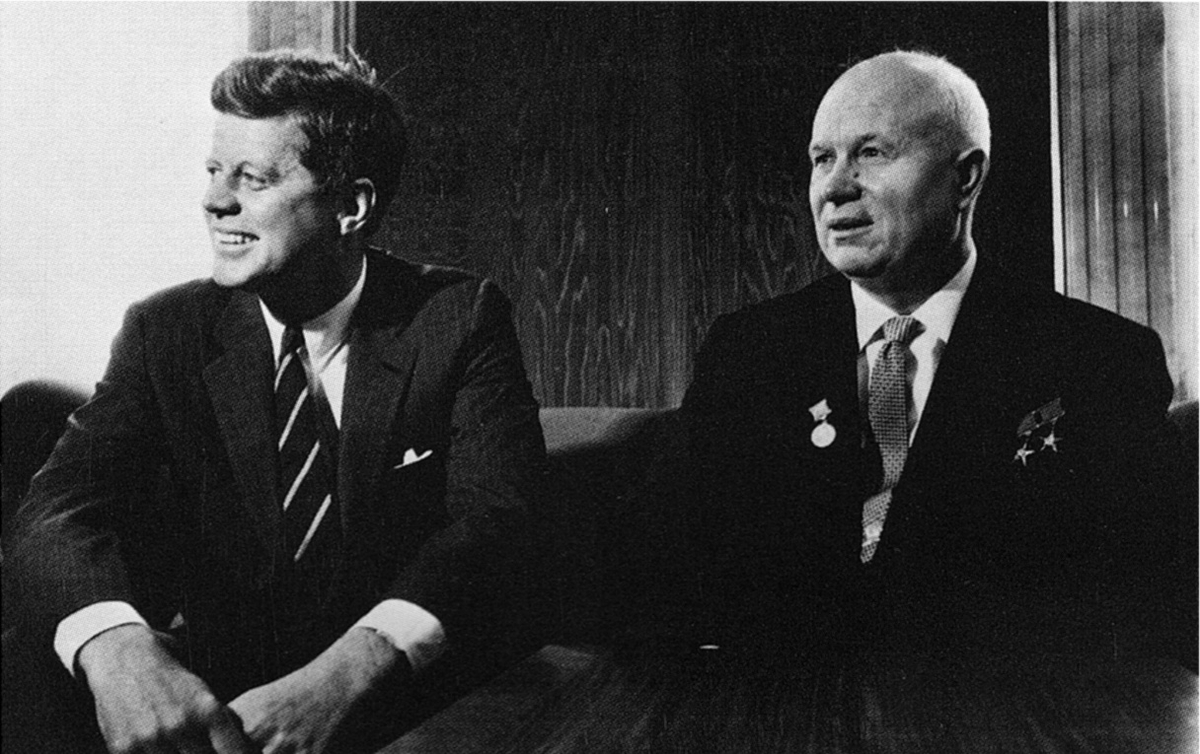
During a period marked by intense geopolitical tension, the standoff between the United States and the Soviet Union neared a critical point when Nikita Khrushchev agreed to dismantle Soviet missile sites in Cuba. This decision concluded the Cuban Missile Crisis, one of the Cold War's most perilous episodes. At the heart of the crisis was the secret installation of Soviet nuclear missiles in Cuba, just 90 miles from U.S. shores, which the United States discovered via aerial reconnaissance.
President John F. Kennedy and his administration faced severe pressures and deliberated a range of responses, from diplomatic negotiations to military intervention. Publicly, Kennedy addressed the nation, announcing a naval blockade around Cuba to prevent further Soviet shipments of military equipment. The world watched as Soviet ships approached the blockade, fearing imminent military confrontation.
After several days of tense negotiations, and with the threat of nuclear conflict looming large, Khrushchev sent a message to Kennedy proposing to remove the Cuban missiles in exchange for the U.S. pledge not to invade Cuba. Further clarification entailed a secret agreement that the U.S. would also dismantle its Jupiter missiles in Turkey, which were perceived as a threat by the Soviet Union.
The resolution of the crisis brought about a significant easing of Cold War tensions and led to the establishment of direct communication links between Washington and Moscow, known as the "Hotline," to prevent future misunderstandings. The crisis underscored the potential devastation of nuclear conflict and the necessity for careful diplomacy. It was a pivotal episode that demonstrated the delicacy of superpower interactions and served as a catalyst for future arms control agreements.
#ColdWar #JohnFKennedy #Khrushchev #CubanMissileCrisis #Diplomacy #NuclearThreat #USHistory #SovietUnion #MoofLife
Primary Reference
The Cuban Missile Crisis, October 1962
Explore the Life Moments of
 AI Twin