Sedition Act: Curbing Dissent and Controversy Through Law
United States of America
Political
Legal
2 min read
Updated By: History Editorial Network (HEN)
Published:
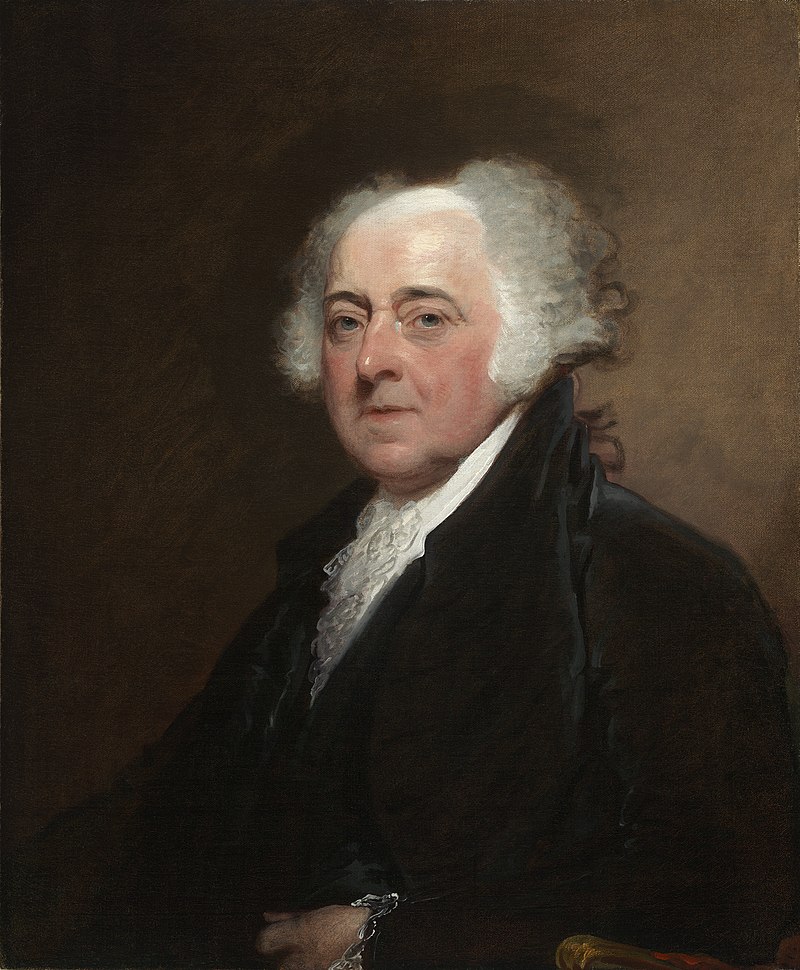
In the backdrop of growing political conflicts and foreign tensions, U.S. President John Adams signed into law “An Act (2 Stat 596) for the punishment of certain crimes against the United States,” known as the Sedition Act. This legislative action criminalized the acts of writing, printing, uttering, or publishing false, scandalous, and malicious statements against the government or its officials. Moreover, it penalized conspiracies to impede the enforcement of laws, prevent government officers from performing their duties, or incite insurrection, riots, or unlawful assemblies. The law aimed at curbing dissent, particularly among the opposition and the press, stirring considerable controversy and debate over free speech and civil liberties. This period saw multiple prosecutions under the act, exacerbating tensions between Federalists and Democratic-Republicans. #MoofLife #JohnAdams #SeditionAct #FreeSpeech #CivilLiberties
Primary Reference
Alien and Sedition Acts (1798) | National Archives
Explore the Life Moments of
 AI Twin