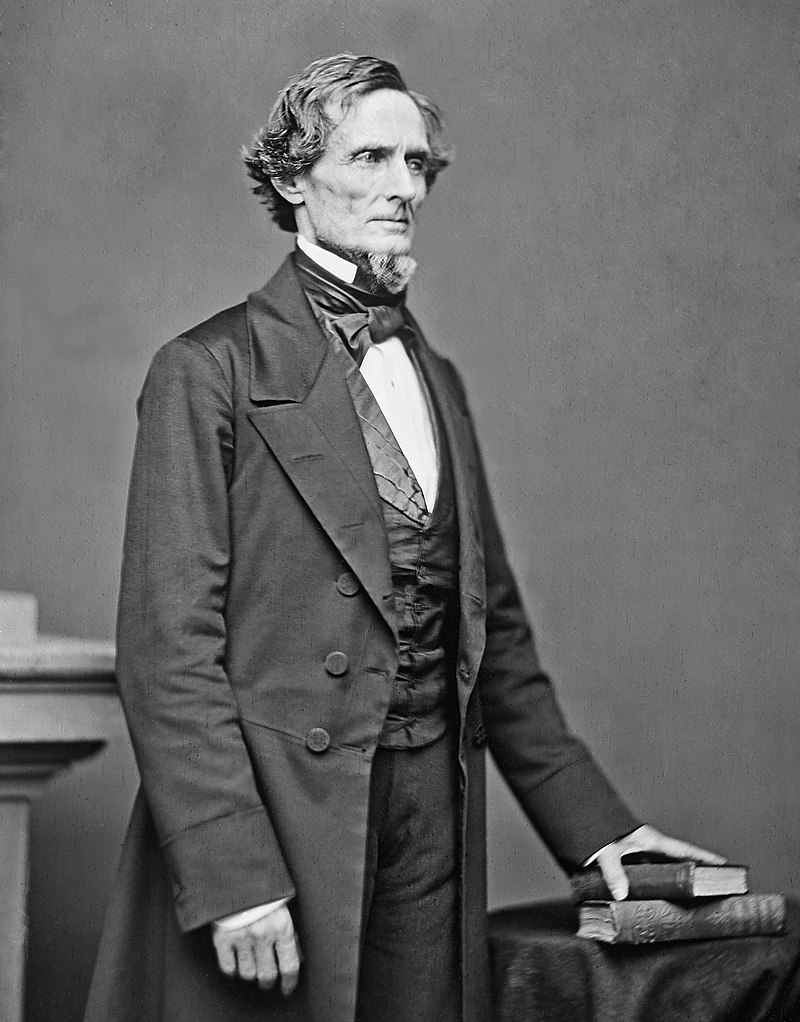
Restoration of Citizenship Rights for Jefferson Davis
Reconciliation
5 min read
Updated By: History Editorial Network (HEN)
Published:
Following the Civil War, Jefferson Davis, the President of the Confederate States of America, was stripped of his citizenship rights. This loss was emblematic of the punitive measures taken against individuals who had led the secessionist movement. Despite his significant role in American history, Davis remained a polarizing figure, symbolizing the divisiveness of the Civil War period.
Upon his release from two years of imprisonment at Fort Monroe, Virginia, Davis spent much of his later life in relative obscurity, residing in the southern states and writing a memoir defending the Confederacy. Over time, sentiment towards Davis softened among some segments of the American population, particularly in the South. This led to a long-standing debate regarding the restoration of his citizenship.
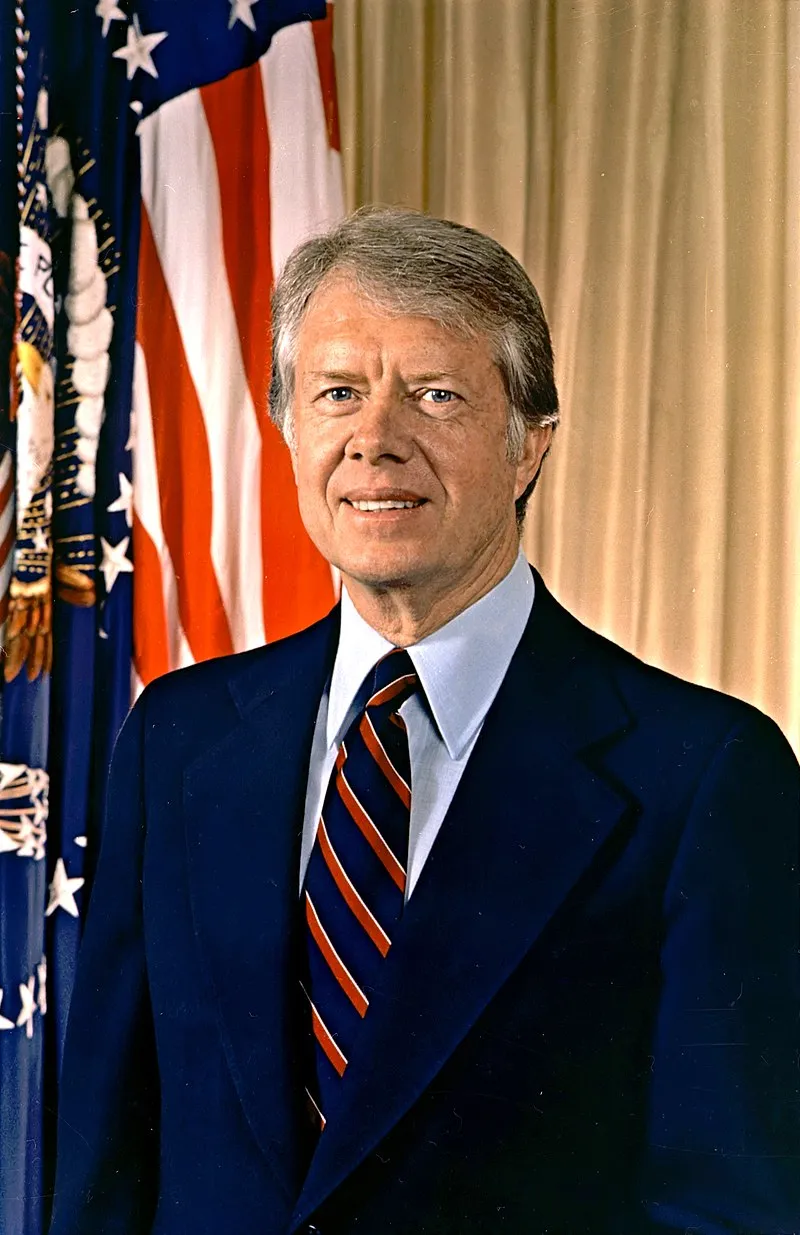
The restoration of Davis's citizenship rights was spearheaded by President Jimmy Carter. Carter, from the South himself, understood the cultural sensitivities surrounding Davis and the broader implications for national reconciliation. The act was not merely about reinstating Davis's legal status but also about healing old wounds. It acknowledged the complex legacy of the Civil War and aimed to foster a spirit of national unity.
The decision was met with mixed reactions. Supporters viewed it as a step towards healing the historical rift between the North and the South. Critics, however, argued that it could be perceived as an endorsement of the Confederacy's values, which stood in stark contrast to the Union's goals of preserving the nation and ending slavery.
The legislative process involved a joint resolution passed by both houses of Congress. The resolution recognized that Davis's post-war actions and writings did not constitute a threat to the integrity of the United States. Instead, it viewed his efforts as part of the historical record that should be acknowledged but not condemned perpetually.
One notable statistic is the unanimous vote in the Senate that preceded Carter's signing of the resolution. This unanimity underscored a growing consensus that the nation should move beyond the Civil War's lingering animosities. The act did not justify the Confederacy or Davis's role in it but served to extend a gesture of reconciliation.
#MoofLife #History #Reconciliation #JeffersonDavis #JimmyCarter #CitizenshipRights
Explore the Life Moments of
 AI Twin