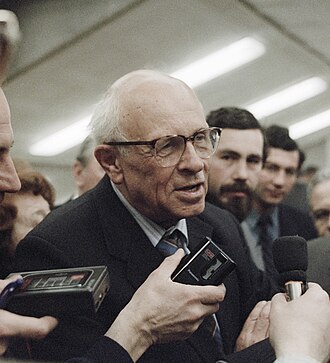
Letter from US President to Soviet dissident Sakharov
Political
Global Diplomacy
5 min read
Updated By: History Editorial Network (HEN)
Published:
Andrei Sakharov, a prominent Soviet physicist turned dissident, received correspondence from U.S. President Jimmy Carter, a defining exchange in Cold War diplomacy. Sakharov, recognized for his work on the Soviet hydrogen bomb and his later vocal criticisms of the Soviet government's human rights abuses, stood as a symbol of intellectual and moral resistance within USSR territory.
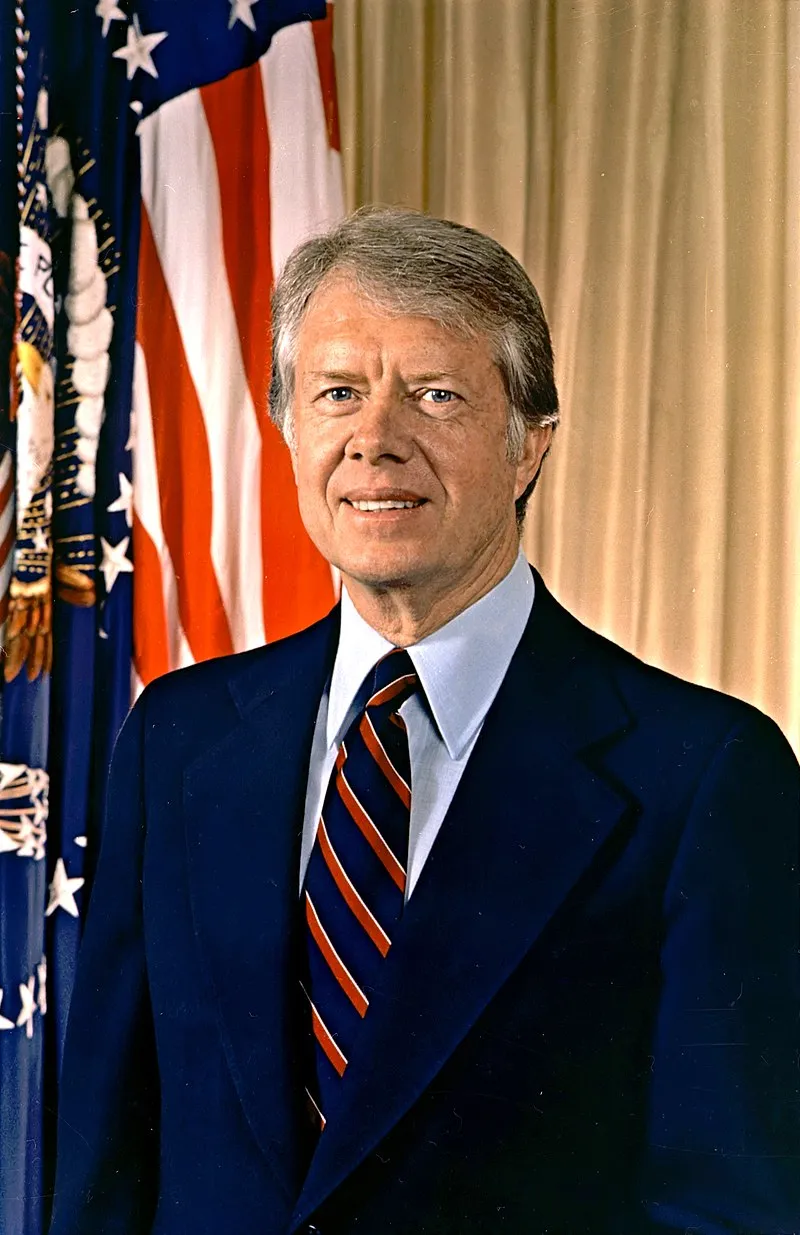
President Carter's letter expressed solidarity and emphasized the importance of human rights, aligning with Carter's foreign policy agenda, which increasingly focused on ethical considerations and human dignity. The content of the letter supported Sakharov's efforts, indirectly applying international pressure on the Soviet government to reconsider its stance on human rights violations.
This exchange demonstrated the U.S. government's public endorsement of dissidents within authoritarian regimes, fostering a climate of moral support for those challenging oppressive systems. For Sakharov, the moral backing from the leader of a superpower offered significant emotional reinforcement despite the harsh circumstances Sakharov and fellow dissidents faced, which often involved surveillance, intimidation, and imprisonment.
Carter's support was part of a broader strategy to incorporate human rights into the fabric of global diplomacy, an approach not universally embraced within the U.S. political establishment at the time, often criticized for potentially complicating tactical geopolitical relationships.
Statistics reveal that numerous dissidents, minority activists, and intellectuals within the Soviet Union and Eastern Bloc were emboldened by such international endorsements. The larger context surrounds the Helsinki Accords, signed by 35 nations, including the USSR, which committed to respecting human rights and fundamental freedoms—a principle continually spotlighted by figures like Sakharov.
In sum, the letter enhanced the visibility of the dissident cause on the international stage and added moral legitimacy to internal Soviet critiques. The interaction between Carter and Sakharov represented a nascent emphasis on human rights within foreign policy, setting a precedent for future engagements between democratic leaders and opposition figures in totalitarian states.
#ColdWar #HumanRights #Dissidents #JimmyCarter #AndreiSakharov #MoofLife
Primary Reference
Sakharov Receives Carter Letter Affirming Commitment on Rights ...
Explore the Life Moments of
 AI Twin