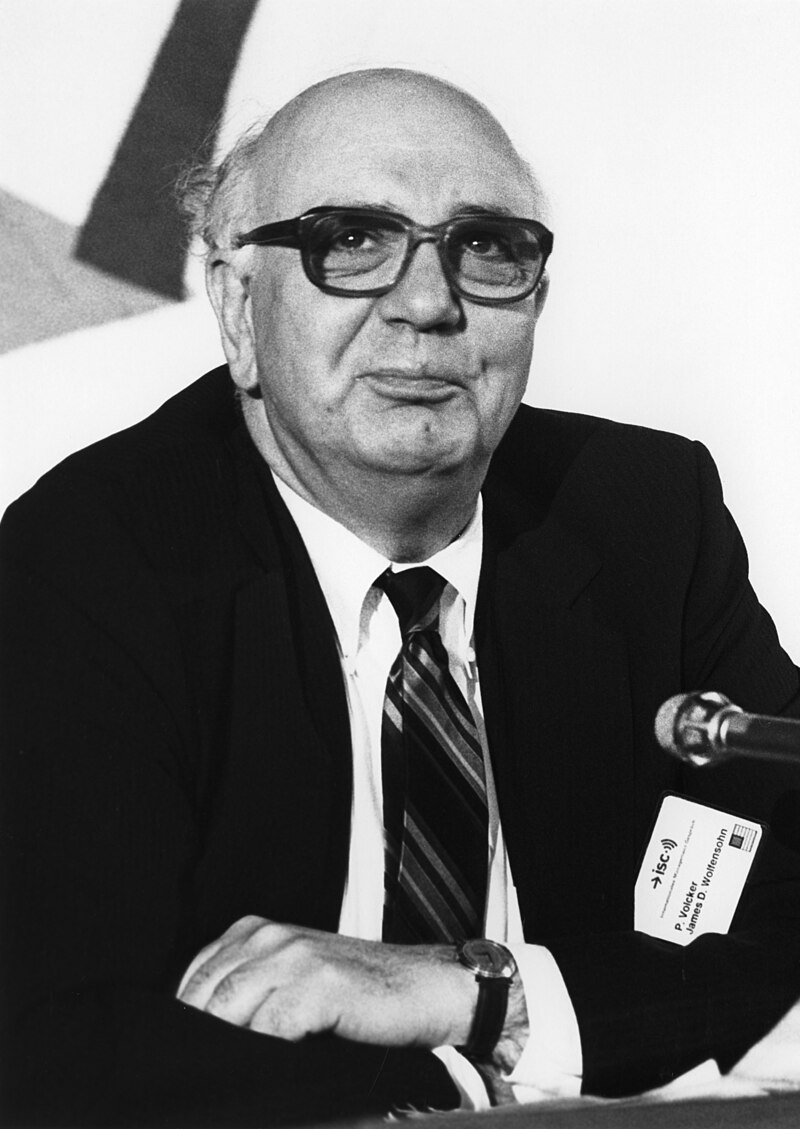
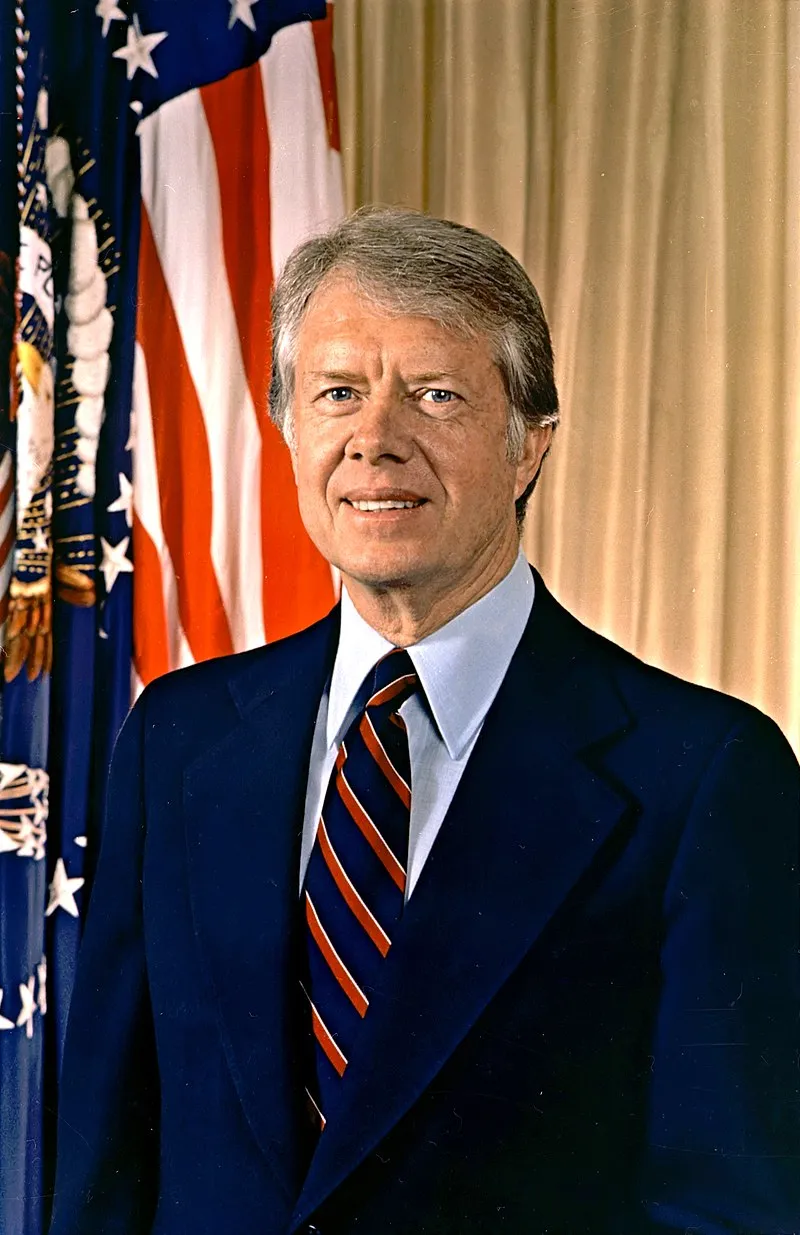
Jimmy Carter Appoints Paul Volcker as Federal Reserve Chair to Tackle Inflation Crisis
10 min read
Updated By: History Editorial Network (HEN)
Published:
On August 6, 1979, President Jimmy Carter delivered remarks at the swearing-in ceremony of Paul Volcker as the new Chairman of the Federal Reserve and G. William Miller as the Secretary of the Treasury. This moment was crucial for Carter's administration, which was grappling with severe economic challenges, including high inflation, slow economic growth (stagflation), and a lingering energy crisis. The appointments of Volcker and Miller were part of Carter's broader strategy to restore economic stability and public confidence following his mid-July Cabinet shake-up and his "Crisis of Confidence" speech.
Paul Volcker’s Appointment
Paul Volcker’s appointment as Chairman of the Federal Reserve marked a decisive step in addressing inflation, which was one of the most pressing issues of the time. Inflation had reached double digits, eroding the purchasing power of Americans and creating widespread economic anxiety. Volcker, a seasoned economist who had served as President of the Federal Reserve Bank of New York, was known for his strong anti-inflation stance. Carter praised Volcker's experience and leadership, emphasizing the importance of restoring price stability and controlling inflation.
Volcker would go on to implement a series of aggressive monetary policies aimed at curbing inflation, including raising interest rates sharply to reduce the money supply. While these measures were highly controversial at the time, leading to short-term economic pain and increased unemployment, they were ultimately successful in taming inflation in the early 1980s.
In his remarks, Carter expressed confidence in Volcker’s ability to lead the Federal Reserve during this critical period, stating that his expertise and dedication would be vital in stabilizing the economy. He acknowledged the tough decisions that lay ahead but underscored that tackling inflation was essential for the long-term health of the U.S. economy.
G. William Miller’s Shift to Treasury
G. William Miller, who had previously been serving as Chairman of the Federal Reserve, was appointed Secretary of the Treasury, replacing Michael Blumenthal. Miller's tenure at the Fed had been controversial, with critics arguing that he had been too lenient in combating inflation. His transfer to the Treasury Department was part of Carter’s broader effort to realign his economic team and bring new leadership to the country’s fiscal and monetary policy.
During the swearing-in ceremony, Carter highlighted Miller’s deep understanding of economic policy and his commitment to public service. He expressed his belief that Miller, in his new role, would work closely with Congress and the private sector to address the economic challenges facing the nation, particularly the need for fiscal discipline and energy reform.
The Broader Economic Context
This ceremony came during a period of deep economic frustration in the United States. The combination of high inflation, high unemployment, and slow economic growth had created a sense of stagnation, and Carter’s administration was under increasing pressure to deliver solutions. The economic turmoil was exacerbated by global events, including the Iranian Revolution and subsequent oil crisis, which had caused fuel shortages and driven up energy prices.
Carter’s remarks reflected the urgency of the situation. He called for unity and perseverance in addressing the nation’s economic challenges and reiterated his commitment to reducing inflation and promoting economic growth. Carter’s decision to elevate Volcker and Miller to these key positions was seen as a signal that his administration was prepared to take bold actions to stabilize the economy.
Impact and Legacy
The appointments of Volcker and Miller would have significant consequences for both the Carter administration and the broader U.S. economy. Volcker's anti-inflation policies, though painful in the short term, would ultimately succeed in bringing inflation under control by the early 1980s. However, the economic recession that accompanied Volcker’s policies contributed to Carter’s declining popularity and was one of the factors leading to his defeat in the 1980 presidential election.
For Carter, this moment represented a pivotal shift in his administration’s economic strategy. His remarks at the swearing-in of Volcker and Miller underscored his recognition of the deep challenges facing the nation and his commitment to addressing them. Though the short-term consequences of these appointments were difficult, they set the stage for the eventual recovery of the U.S. economy in the following decade.
#PaulVolcker #JimmyCarter #FederalReserve #TreasuryDepartment #InflationCrisis #1979Economy #USHistory #EconomicPolicy #MomentsOfLife #MoofLife_Moment #MoofLife
Primary Reference
Department of the Treasury and the Federal Reserve System ...
Explore the Life Moments of
 AI Twin