Carter accepts the resignations of five cabinet members
7 min read
Updated By: History Editorial Network (HEN)
Published:
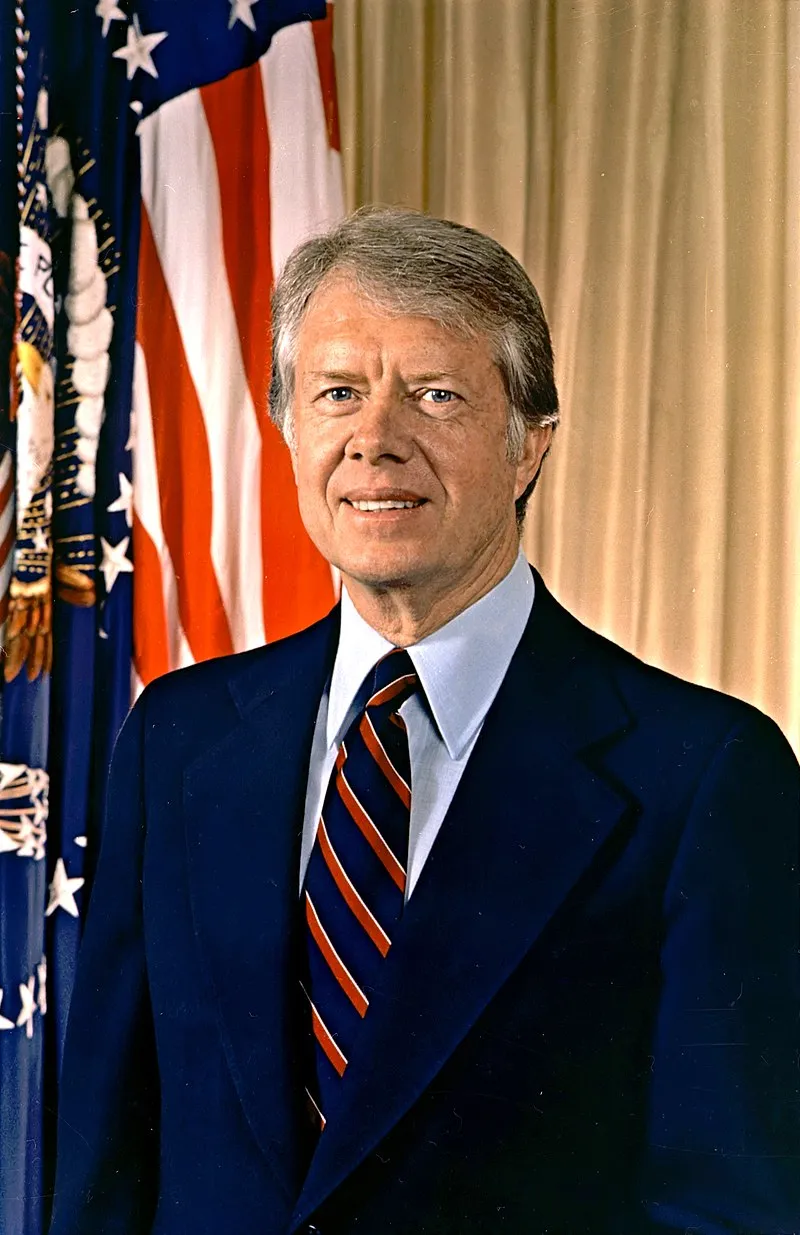
On July 19, 1979, President Jimmy Carter made the extraordinary decision to accept the resignations of five key Cabinet members, marking one of the most dramatic shake-ups in U.S. presidential history. This mass resignation came just days after Carter delivered his now-famous "Crisis of Confidence" speech on July 15, which sought to address the national disillusionment and economic troubles, particularly the ongoing energy crisis. The Cabinet purge, intended to restore public confidence in Carter's leadership, had the opposite effect, creating a sense of instability and further undermining his presidency.
The five resignations included some of the most prominent figures in Carter’s administration:
Michael Blumenthal, Secretary of the Treasury
James Schlesinger, Secretary of Energy
Joseph Califano, Secretary of Health, Education, and Welfare
Brock Adams, Secretary of Transportation
Griffin Bell, Attorney General
The mass resignations came after Carter had spent ten days in deep reflection at Camp David, where he consulted a range of political, religious, and civic leaders about the nation’s direction. During this period, he began to see his administration as part of the problem, feeling that it had become out of touch with the American public. The decision to overhaul his Cabinet was his attempt to reset his administration, inject new energy into his team, and demonstrate decisive leadership during a time of national crisis.
However, the move backfired in several ways. First, it created an impression of panic and disorder within the White House, suggesting that the administration was floundering rather than focused. It also called into question Carter’s judgment and management style—firing high-level officials during a crisis was viewed as a sign of weakness and indecision, rather than strength. The purging of James Schlesinger, in particular, was seen as problematic because Schlesinger was spearheading Carter’s energy policy during the ongoing oil and gas crisis. Removing him while the country faced such pressing energy concerns appeared counterproductive.
Additionally, the move alienated many within the Democratic Party, including members of Carter’s own administration, who felt that the president was scapegoating his Cabinet for problems that were, at their core, issues of national policy and direction—challenges that Carter himself was responsible for addressing. This internal discord made it harder for Carter to rally support for the reforms and changes he sought.
Although Carter did bring in new faces to his administration, including Charles Schultze as the new Treasury Secretary, the shake-up failed to restore public confidence in his leadership. Instead, it contributed to the perception that his presidency was faltering at a critical moment, just as the 1980 presidential election was coming into view.
The cabinet shake-up of July 19, 1979, remains a pivotal moment in Carter's presidency—an attempt to demonstrate control and decisiveness that instead exposed vulnerabilities in his leadership and compounded the challenges he faced in governing a nation mired in economic and social turmoil.
#JimmyCarter #CabinetResignation #1979 #USHistory #LeadershipCrisis #EnergyCrisis #PoliticalHistory #MomentsOfLife #MoofLife_Moment #MoofLife
Primary Reference
Jimmy Carter - Key Events | Miller Center
Explore the Life Moments of
 AI Twin