Civil Rights Advocate Marches for Open Housing in Chicago
United States of America
Political
Social Change
6 min read
Updated By: History Editorial Network (HEN)
Published:
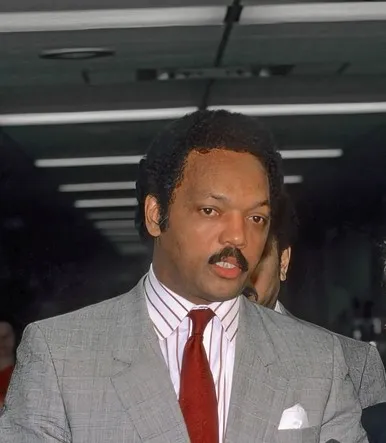
Amid rising tensions surrounding racial segregation and inequality in urban areas, a major event occurred in Chicago with prominent civil rights figures leading the effort. Reverend Jesse Jackson, an emerging leader in the Civil Rights Movement, alongside Dr. Martin Luther King Jr., spearheaded a series of organized marches aimed at addressing the widespread segregated housing practices in the city. This event was a part of the broader Chicago Freedom Movement, which sought to challenge systemic discrimination in employment, education, and housing.
Chicago's housing market was highly segregated, leading to a concentrated pocket of impoverished African American neighborhoods with inadequate living conditions. The marches sought to highlight these disparities and demand desegregation, advocating for equal access to housing without discrimination based on race. Roughly 700 civil rights activists and local residents participated in the marches, marching through hostile and predominantly white neighborhoods like Marquette Park and Gage Park.
The marches faced significant resistance. Protestors were met with violent opposition from local residents, some of which resulted in aggressive confrontations. Despite these obstacles, the marches drew national attention to the issues of racial segregation in the urban North, which had been less highlighted compared to Southern civil rights struggles. Reports and broadcasts captured the intensity of the resistance and the determination of the protesters, bringing the reality of Northern racism to a larger audience.
In response to the sustained pressure from these marches, city officials, including Mayor Richard J. Daley, were forced to negotiate with civil rights leaders. While immediate legislative changes were limited, the attention brought by the protests helped lay the groundwork for future housing reforms. The marches were instrumental in leading to the eventual implementation of the Fair Housing Act, which aimed to eliminate discrimination based on race, color, religion, sex, or national origin in the sale and rental of housing.
This movement in Chicago demonstrated the power of grassroots activism and the significant role of public demonstrations in enacting social change. It also marked a pivotal moment in Jesse Jackson's burgeoning leadership in the Civil Rights Movement, highlighting his collaboration with Dr. King and their shared vision for racial equality.
#ChicagoFreedomMovement #CivilRights #JesseJackson #MLK #HousingEquality #MoofLife
Primary Reference
Chicago Campaign | The Martin Luther King, Jr. Research and ...
Explore the Life Moments of
 AI Twin