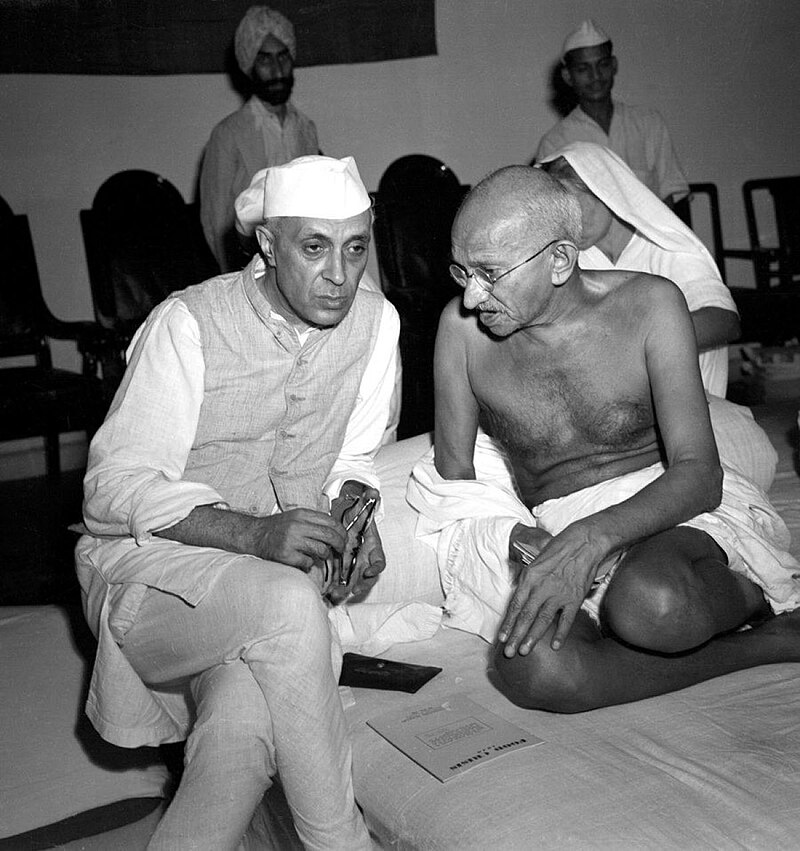
Quit India Resolution: Push for independence through non-violent protests against British colonial rule.
India
Political
5 min read
Updated By: History Editorial Network (HEN)
Published:
The Quit India Resolution was passed by the All India Congress Committee during a critical phase of the Indian independence movement. This period marked heightened demands for the end of British rule in India. The resolution, which called for the immediate withdrawal of the British, was spearheaded by prominent leaders of the Indian National Congress, including Mohandas Karamchand Gandhi and Jawaharlal Nehru.
The movement, also referred to as the August Movement, aimed at mass protests and demonstrations across India to push the British out. It was characterized by non-violent resistance and civil disobedience, reflecting the Gandhi-led philosophy that had previously shaped other significant nationalist campaigns.
The decision to pass the Quit India Resolution came in the backdrop of World War II, a time when the British were extensively dependent on Indian resources and support for their war efforts. The colonial government responded severely to the movement. Key leaders, including Gandhi, Nehru, and Patel, were arrested and imprisoned to stifle the uprising, symbolizing the lengths to which the British would go to retain control over India.
Nehru's imprisonment, along with other leaders, sparked widespread outrage and intensified the Indian populace's resolve against colonial rule. It led to a divided opinion among British officials, as some believed that satisfying Indian nationalist demands could strengthen their own wartime position.
The Quit India Movement had a significant impact on the trajectory of India's struggle for freedom, prompting a vigorous and more organized campaign that ultimately laid the foundation for India's independence. Despite facing severe repression, the movement managed to mobilize a diverse section of society and demonstrated the increasing influence and commitment of the Indian National Congress to achieving self-rule.
#MoofLife #QuitIndia #IndianIndependence #JawaharlalNehru #FreedomStruggle #BritishRule #History
Primary Reference
Jawaharlal Nehru - Wikipedia
Explore the Life Moments of
 AI Twin