Nehru's Second State Visit to the United States: Strengthening Diplomatic Ties amid Cold War
India
Political
Global Trade
4 min read
Updated By: History Editorial Network (HEN)
Published:
Jawaharlal Nehru, the then Prime Minister of India, embarked on his second state visit to the United States. It included key meetings in Washington D.C. and a notable visit to Gettysburg, Pennsylvania. This trip aimed to enhance diplomatic relations between India and the United States and to discuss crucial international matters amidst the Cold War era.
In Washington D.C., Nehru was welcomed by the U.S. President, who emphasized the importance of strengthening ties between the two democracies. Discussions revolved around aid, trade, and geopolitical strategies, especially considering the ongoing tensions of the Cold War and the recent events in the Middle East. Nehru sought support for India's economic development and reinforced India's position of non-alignment in global politics. The bilateral talks resulted in a better understanding and some agreements that would propel India's economic initiatives.
Nehru's visit to Gettysburg was another noteworthy aspect of this tour. Gettysburg, known for its historical significance in American history, served as a symbolic backdrop for unofficial talks. He was hosted by Dwight D. Eisenhower who, apart from his role as the President, was a decorated military leader. The two leaders shared more personal exchanges here, gaining insights into each other's perspectives on peace and development.
This visit underscored the importance of Indo-U.S. relations during the mid-20th century and highlighted the strategic efforts by Nehru to navigate through the complex international landscape of the time. It also reinforced India's desire to remain non-aligned while fostering economic and strategic ties with major world powers.
#MoofLife #IndoUSRelations #Diplomacy #ColdWarEra #NehruEisenhowerTalks
Primary Reference
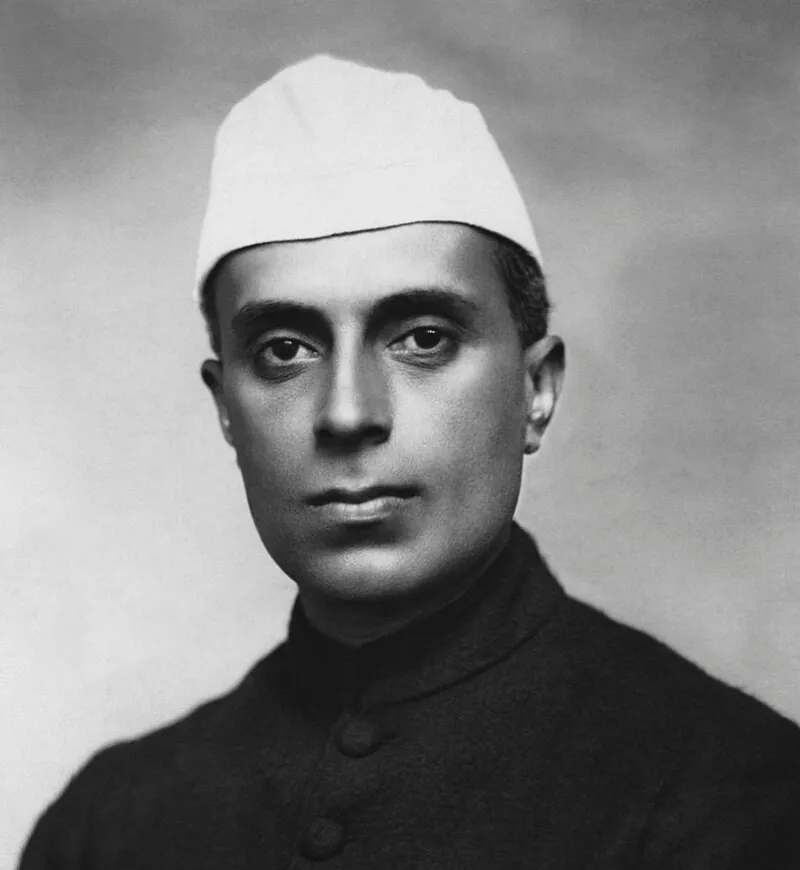
Prime Minister Jawaharlal Nehru (U.S. National Park Service)
Explore the Life Moments of
 AI Twin