Nehru's Brief Freedom and Re-Arrest Amid Growing Nationalist Movement in British India
India
Political
Nationalist
5 min read
Updated By: History Editorial Network (HEN)
Published:
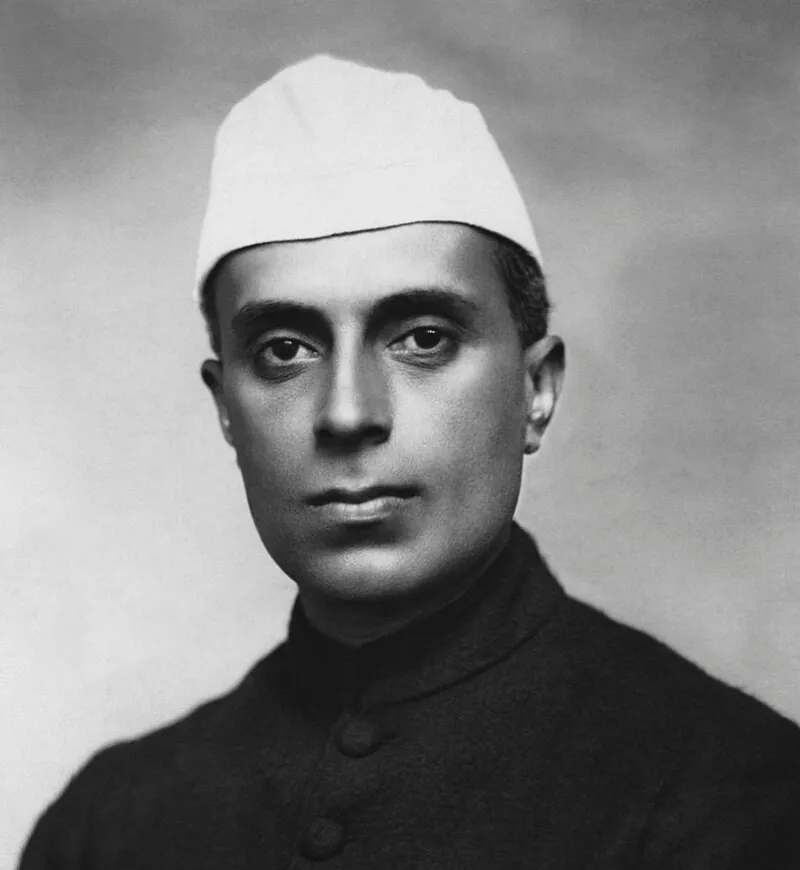
Jawaharlal Nehru, a prominent leader of the Indian National Congress, was temporarily released from detention. However, within ten days, he was re-arrested for resuming his leadership role in the Congress. His initial detention was part of the British colonial government’s efforts to suppress the rising tide of nationalist sentiments and activities led by the Congress.
Nehru’s re-arrest is notable against the backdrop of the Civil Disobedience Movement, a campaign launched by Mahatma Gandhi to resist British rule through non-violent means. The movement had gained significant traction, drawing participants from various parts of India, and leading to widespread acts of civil disobedience including non-payment of taxes, boycotts of British goods, and peaceful protests. Nehru, an ardent supporter of complete independence from British rule, played a vital role in these activities, which made him a target for the colonial authorities.
Upon his release, Nehru immediately resumed his leadership responsibilities within the Congress, further irritating the British authorities, who were keen to quell any resurgence of nationalist fervor. His quick re-arrest illustrated the colonial government’s intolerance for any form of defiance and their determination to stifle the Congress’s influence.
The re-arrest of Nehru was a significant development within the broader freedom struggle as it underscored the cyclical pattern of repression and resistance that characterized India’s battle for independence. It highlighted the resilience of Indian political leaders who, despite repeated incarcerations, continued to rally the masses and advocate for self-rule.
By re-arresting a leader of Nehru’s stature so soon after his release, the British likely aimed to demoralize the Congress and to deliver a stark message that leadership in the independence movement would be met with stringent consequences. Nevertheless, such actions often had the opposite effect, bolstering public support for the imprisoned leaders and intensifying the push for independence.
#Nehru #CongressLeadership #IndianIndependence #CivilDisobedience #MoofLife
Primary Reference
Jawaharlal Nehru - Wikipedia
Explore the Life Moments of
 AI Twin