Jawaharlal Nehru's Second Term: Democracy, Development, and Non-Alignment in Cold War Era
India
Political
Economic Downturn
4 min read
Updated By: History Editorial Network (HEN)
Published:
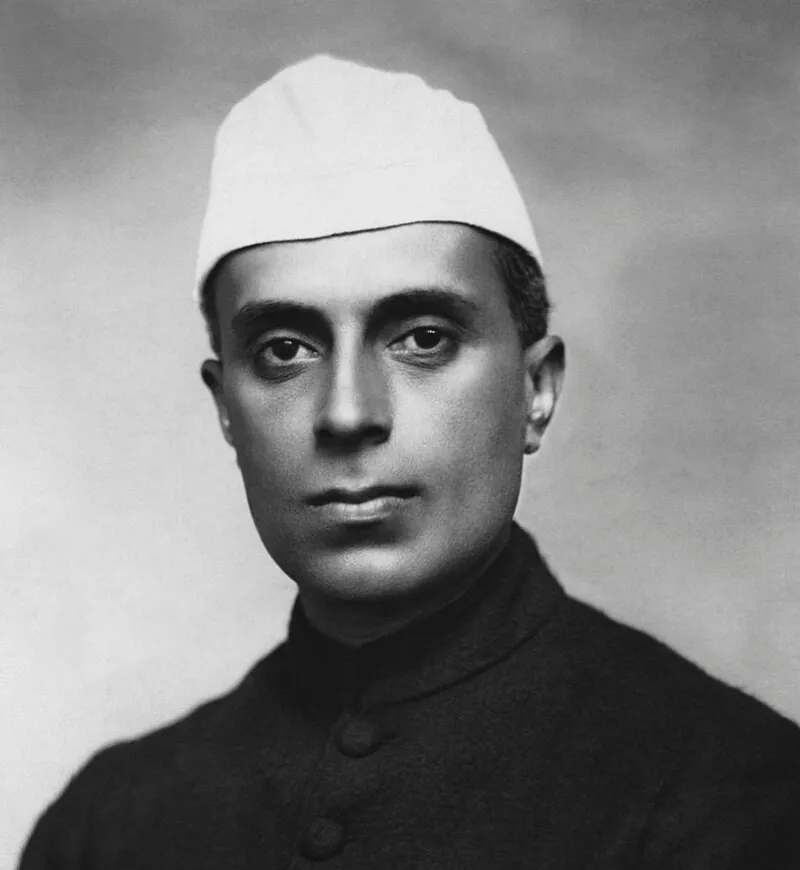
Jawaharlal Nehru was re-elected to the 2nd Lok Sabha and continued his roles as Prime Minister and External Affairs Minister of India. This period marked the continued consolidation of Indian democracy and development. Nehru's leadership emphasized parliamentary debates and institutional building. Globally, he maintained India's non-aligned stance during the Cold War, positioning the country independently from the U.S. and Soviet blocs.
Domestically, Nehru's government focused on policies of industrialization under the second Five-Year Plan, which aimed at boosting heavy industries and infrastructure. This plan saw the establishment of major industries and hydroelectric projects, influencing the economic landscape. The period also witnessed foreign policy challenges like the Indian annexation of Goa and Sino-Indian border conflicts, which tested Nehru's diplomatic skills.
His tenure was marked by efforts to foster scientific and technological advancements, with the establishment of institutions like the Indian Institutes of Technology (IITs). Nehru’s era also saw socio-economic reforms aimed at improving the lives of India’s impoverished populations.
The political atmosphere saw proactive engagement in United Nations activities, reflecting Nehru’s vision for a peaceful and cooperative international community. He played a key role in the Bandung Conference, promoting Asian-African solidarity.
Nehru's administration managed to steer the country through complex times of internal and external pressures, shaping modern India's trajectory with a focus on secularism and inclusivity.
#JawaharlalNehru #2ndLokSabha #IndianDemocracy #NonAlignment #Industrialization #ForeignPolicy #ScientificAdvancement #MoofLife
Primary Reference
Jawaharlal Nehru - Wikipedia
Explore the Life Moments of
 AI Twin