Government Action Against Communal Groups Post-Gandhi Assassination Maintains National Unity and Order.
India
Political
4 min read
Updated By: History Editorial Network (HEN)
Published:
Updated:
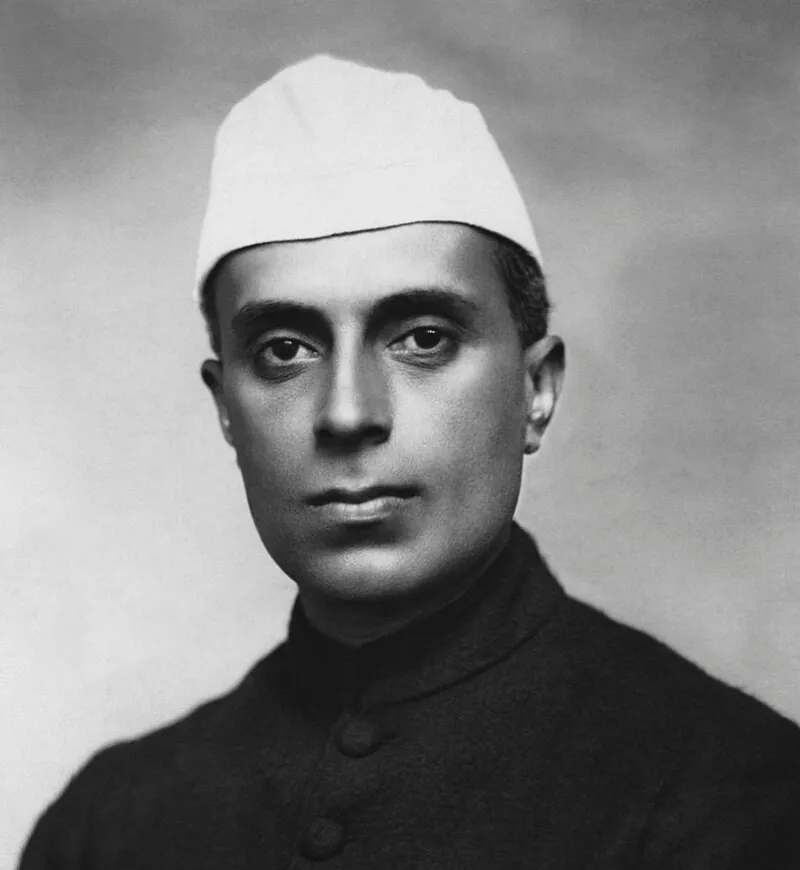
Following the assassination of Mahatma Gandhi, the Indian government, led by Prime Minister Jawaharlal Nehru and Deputy Prime Minister Sardar Vallabhbhai Patel, took decisive action against communal groups to maintain national unity and public order. Among the targeted organizations was the Rashtriya Swayamsevak Sangh (RSS), which had been linked to promoting divisive ideologies. This response was crucial in addressing the volatile atmosphere and curbing potential unrest.
The crackdown involved mass arrests, with over 200,000 individuals detained to stabilize the situation. This significant move demonstrated the new government's commitment to curbing extreme nationalist sentiments and preventing communal violence. The authorities sought to ensure that India's nascent independence would not be marred by internal conflicts driven by religious or ideological differences.
The suppression of these groups aimed to reinforce secular principles and promote collective harmony within the diverse population. The actions by Nehru and Patel were largely supported by those who desired to see India progress as a unified nation, despite some controversy and opposition from affected groups and their supporters.
By confronting the forces identified as threats to the nation's cohesion, the Indian government asserted its stance on maintaining order and reinforcing the foundations of a secular, democratic state. The large-scale arrests and subsequent easing of tensions highlighted the extent of the measures taken and underscored the gravity with which the leadership viewed the issue.
#AftermathOfGandhisDeath #NehruAndPatel #SuppressCommunalGroups #MassArrests #NationalUnity #SecularIndia #MoofLife
Primary Reference
Jawaharlal Nehru - Wikipedia
Explore the Life Moments of
 AI Twin