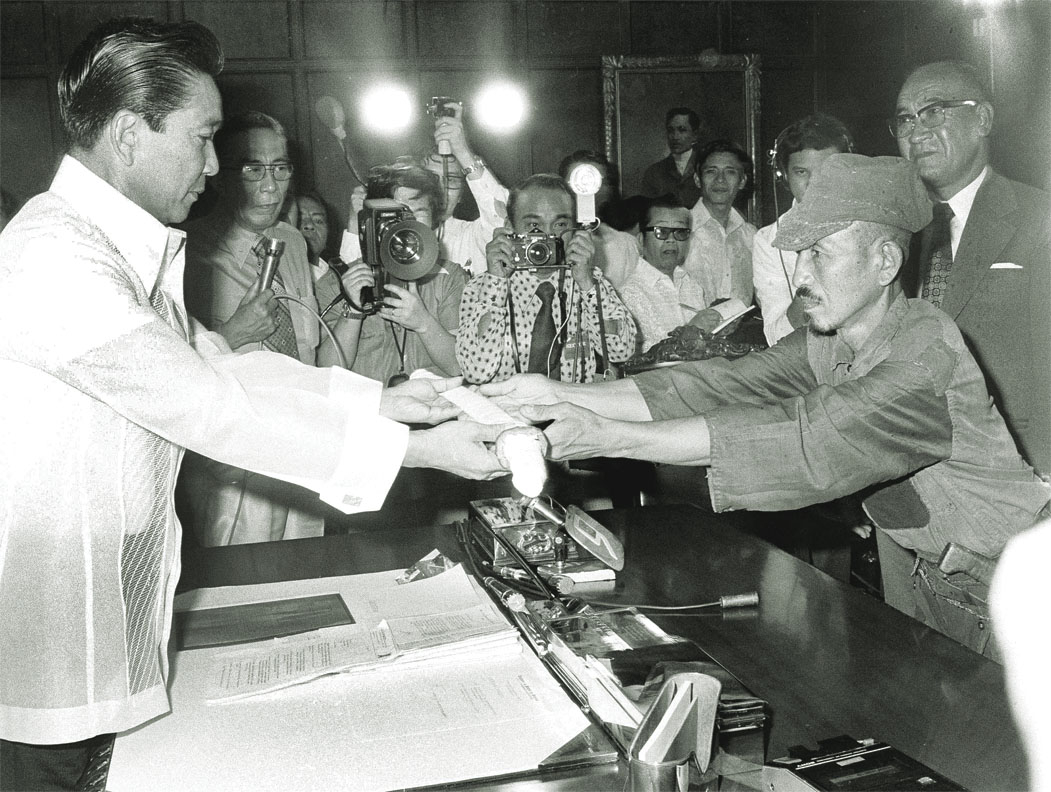
Last Japanese WWII soldier surrenders after 29 years in Philippines
Japan
Event
4 min read
Updated By: History Editorial Network (HEN)
Published:
In the 1970s, the Philippines witnessed a remarkable event when the final Japanese soldier from World War II finally surrendered. For 29 years after the war had ended, Hiroo Onoda had remained hidden in the jungles of Lubang Island, continuing his guerrilla activities. With his belief that the war was still ongoing, Onoda continued to engage in sabotage and ambush missions.
The impact of Onoda's surrender was significant, marking the end of an era and bringing closure to a chapter of history. His loyalty and dedication to his duties as a soldier were unquestionable, reflecting the mindset of many Japanese soldiers during WWII. Onoda's surrender not only brought relief to the local population and authorities but also garnered worldwide attention.
Upon returning to Japan, Onoda struggled to adapt to post-war society, having lived in isolation for so many years. Despite this, he eventually became a productive member of society, sharing his experiences and insights with the younger generation. Onoda's story served as a reminder of the lasting impacts of war and the importance of reconciliation and forgiveness.
The final surrender of the Japanese soldier in the Philippines, decades after the end of World War II, served as a poignant reminder of the consequences of war and the resilience of the human spirit. Onoda's unwavering dedication to his beliefs and duties made him a legendary figure, whose legacy continues to be remembered and respected.
#JapaneseSoldier #WWIIVeteran #PhilippinesSurrender #GuerrillaWarfare #HistoricalEvent
Explore the Life Moments of
 AI Twin