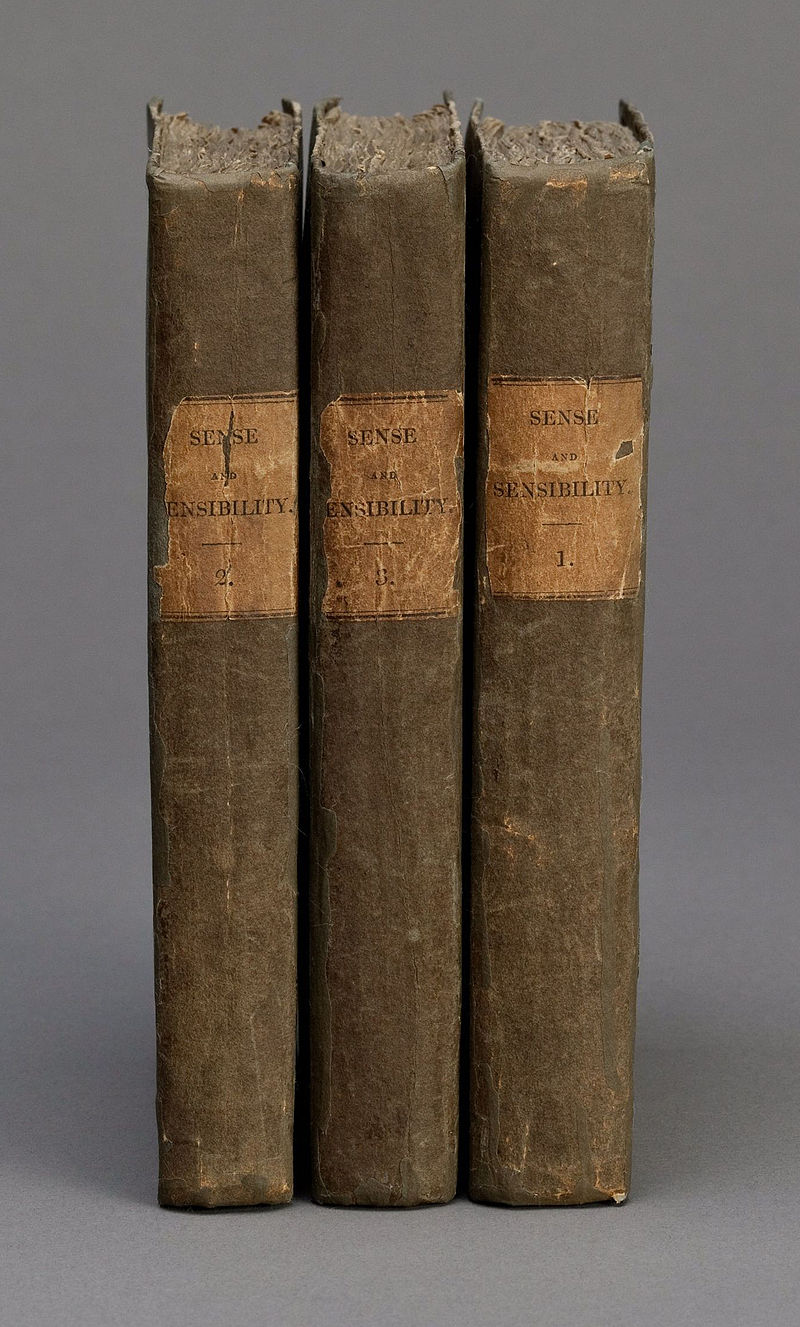
Publication of Sense and Sensibility
England
Literature
Classic Novels
19th Century Fiction
3 min read
Updated By: History Editorial Network (HEN)
Published:
Updated:
The publication of Jane Austen's novel Sense and Sensibility marked a notable entry into the literary world for the author. Published by Thomas Egerton, the book was released under a commission agreement, which meant that Austen assumed the financial risk associated with its publication. This arrangement was common for many authors at the time, where the publisher would cover the initial costs and recoup expenses through sales, taking a commission from the profits. Despite the financial risks involved, Sense and Sensibility was well-received upon its release. It quickly gained popularity, particularly among young aristocrats and opinion-makers, who found its themes and characters relatable and engaging. The novel's success helped establish Austen's reputation as a significant writer in the early 19th century literary scene, paving the way for her subsequent works. The impact of Sense and Sensibility extended beyond its immediate popularity; it contributed to the evolving landscape of English literature, where the novel began to be recognized as a serious form of artistic expression. The book's exploration of social class, gender roles, and the complexities of human relationships resonated with readers, making it a staple in literary discussions and studies. The financial model of publishing on commission also highlighted the risks authors faced in the pursuit of literary success, a reality that many would continue to navigate in the years to come.
#mooflife
#MomentOfLife
#JaneAusten
#SenseAndSensibility
#ThomasEgerton
#19thCenturyLiterature
#LiteraryHistory
Primary Reference
Sense and Sensibility

Explore the Life Moments of
 AI Twin