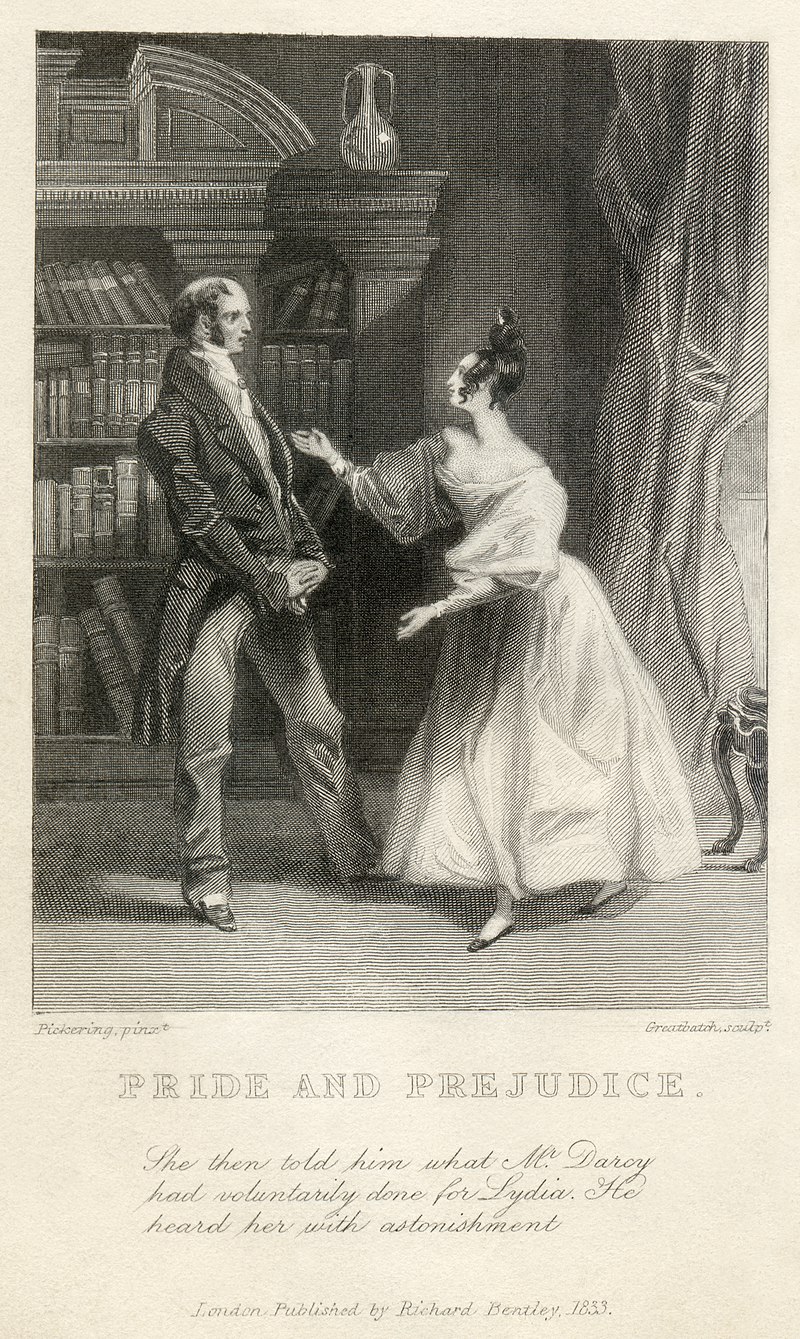
Publication of Pride and Prejudice
England
Literature
Classic Novels
19th Century Literature
3 min read
Updated By: History Editorial Network (HEN)
Published:
Updated:
Jane Austen's novel, Pride and Prejudice, was published by Thomas Egerton, marking a pivotal moment in literary history. Austen sold the copyright for £110, a strategic decision that allowed Egerton to maximize profits by utilizing inexpensive paper and setting the retail price at 18 shillings. This pricing strategy, while aimed at profit maximization, did not hinder the book's reception. The novel quickly gained popularity, receiving three favorable reviews shortly after its release. The immediate success of Pride and Prejudice is evidenced by its strong sales performance, which significantly exceeded expectations. Had Austen opted for a commission-based sale, her profits could have reached £475, which was double her father's annual income, highlighting the financial potential of her work. The book's success not only established Austen as a prominent author but also contributed to the evolution of the novel as a respected literary form. The favorable reception and commercial success of Pride and Prejudice laid the groundwork for Austen's future works and solidified her place in literary history, influencing generations of writers and readers alike. The novel's themes of social class, marriage, and morality continue to resonate, making it a timeless piece of literature that remains widely studied and celebrated today.
#mooflife
#MomentOfLife
#PrideAndPrejudice
#JaneAusten
#ThomasEgerton
#LiteraryHistory
#NovelPublication
Primary Reference
Pride and Prejudice

Explore the Life Moments of
 AI Twin