Britain Entered the First World War
England
Historical Events
Literature
Military History
3 min read
Updated By: History Editorial Network (HEN)
Published:
Updated:
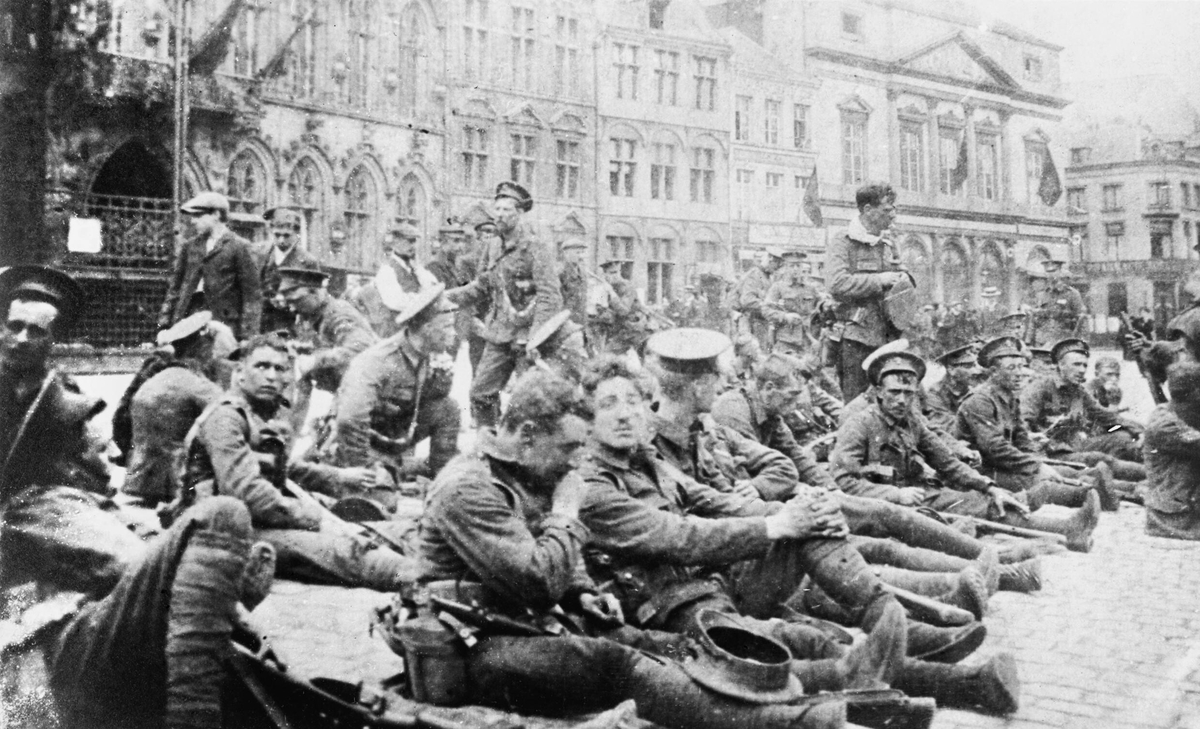
In August 1914, Britain officially entered the First World War, marking a pivotal moment in global history. The decision to join the conflict was influenced by a complex web of alliances, national interests, and the assassination of Archduke Franz Ferdinand, which had set off a chain reaction among European powers. Britain’s entry into the war was largely motivated by its obligations to support Belgium, whose neutrality had been violated by Germany. The British government declared war on Germany, leading to widespread mobilization of troops and resources. The war would eventually involve many nations and result in unprecedented casualties and destruction across Europe and beyond.
The impact of Britain’s entry into the war was profound, affecting not only military strategies but also societal norms. Many young men felt societal pressure to enlist, as those who did not were often scorned. This was evident in the case of J.R.R. Tolkien, whose relatives were surprised by his decision to delay enlistment in favor of completing his degree. The war would ultimately reshape British society, leading to changes in gender roles, economic structures, and national identity. The conflict resulted in millions of military and civilian casualties, with estimates suggesting that around 16 million people lost their lives. The war also set the stage for significant political changes, including the eventual rise of totalitarian regimes and the restructuring of national borders in Europe.
#mooflife
#MomentOfLife
#FirstWorldWar
#Britain
#Tolkien
#MilitaryHistory
#WorldWarI
Primary Reference
Tolkien's military service

Explore the Life Moments of
 AI Twin