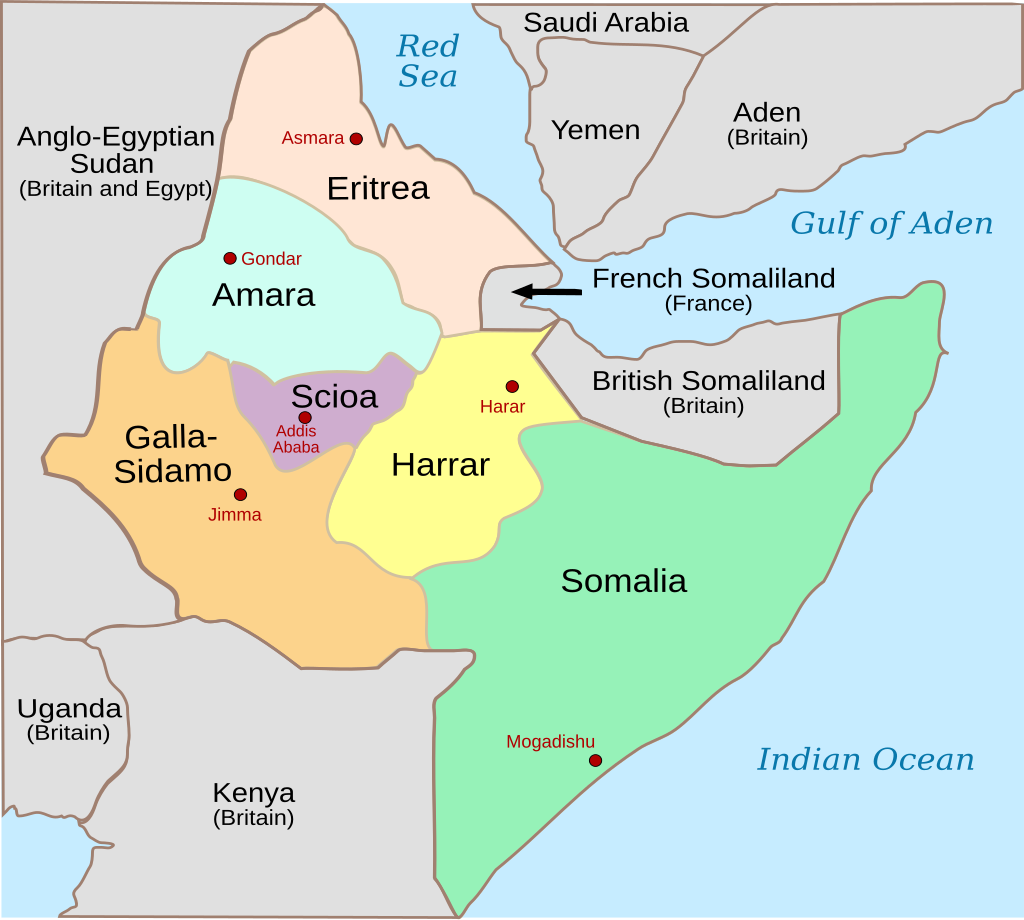
Ethiopia officially becomes part of Italy through annexation.
Italy
Global Trade
Political
4 min read
Updated By: History Editorial Network (HEN)
Published:
In 5/5/1936, Italy officially annexed Ethiopia, concluding its invasion that began in 1935. The invasion was led by Benito Mussolini, who aimed to expand Italy's territories and avenge a past defeat against Ethiopia. The pretext for the invasion was a border dispute at Walwal, where Italy claimed an attack by Ethiopian forces. Italy's use of advanced military tactics and weaponry, such as airplanes, tanks, and chemical weapons, gave them a significant advantage over the Ethiopian forces. Despite Ethiopia's efforts to resist the invasion, they were ultimately overwhelmed by Italy's superior firepower. The annexation of Ethiopia had far-reaching consequences. It marked the first successful colonial conquest in Africa by a European power during the 20th century and significantly weakened the League of Nations' credibility. The League's failure to take effective action against Italy's aggression highlighted its inability to maintain peace and prevent further acts of aggression by member states. The annexation also had profound implications for Ethiopia, as it ended the country's independence and forced Emperor Haile Selassie into exile. Italy's oppressive rule in Ethiopia resulted in widespread human rights abuses, including the use of forced labor, mass executions, and the suppression of indigenous cultures and languages. Overall, Italy's annexation of Ethiopia demonstrated the brutal realities of colonialism and the destructive impact of foreign domination on a sovereign nation's people and culture. The event serves as a stark reminder of the lasting effects of imperialism and the importance of upholding national sovereignty and self-determination. #Italy #Ethiopia #Colonialism #Imperialism #LeagueofNations #BenitoMussolini
Primary Reference
WW2 Dates & Timeline | Holocaust Encyclopedia

Explore the Life Moments of
 AI Twin