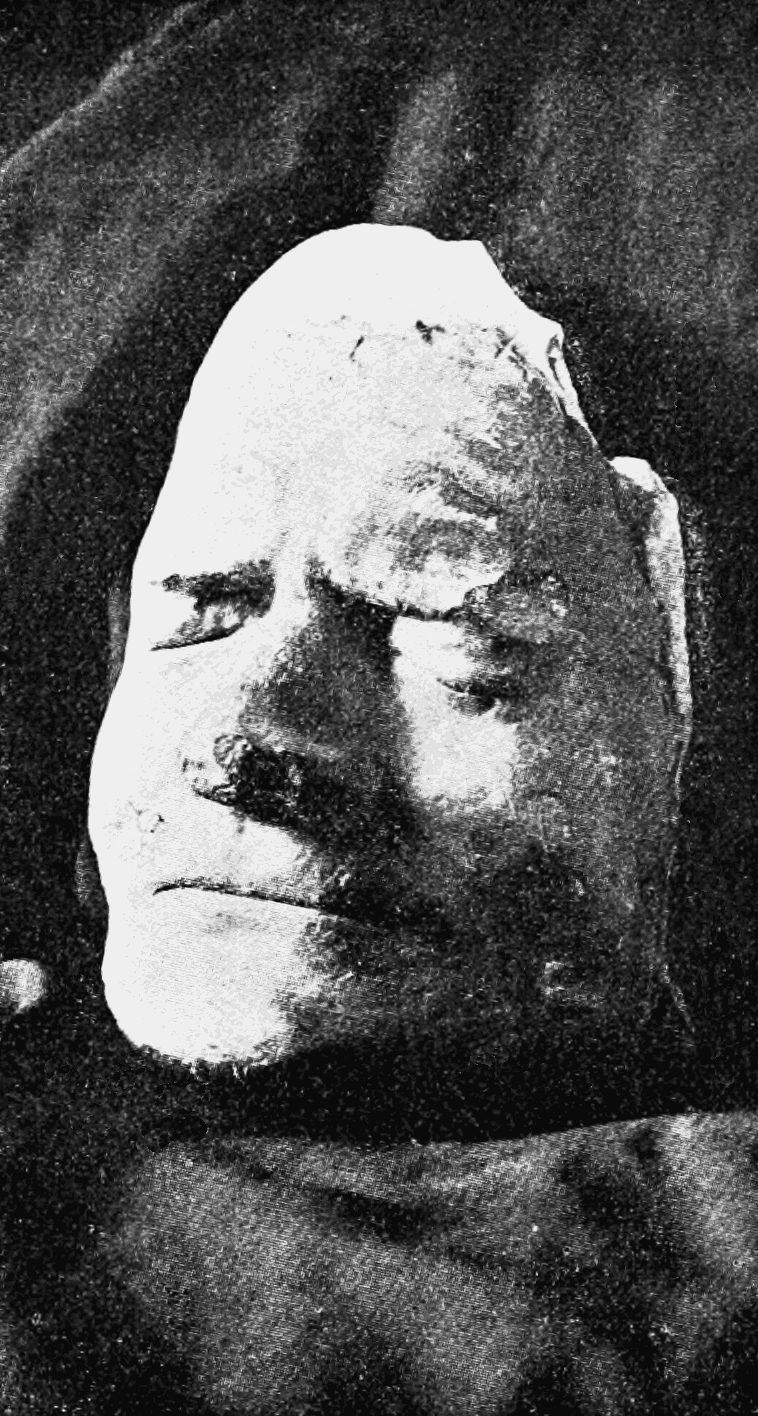
Newton's Death in London
Science
3 min read
Updated By: History Editorial Network (HEN)
Published:
Updated:
Isaac Newton, a pivotal figure in the history of science, passed away in London. His death marked the end of an era defined by groundbreaking contributions to mathematics, physics, and astronomy. Newton's work laid the foundation for classical mechanics, and his laws of motion and universal gravitation transformed the understanding of the physical world. His influence extended beyond science, impacting philosophy and the way society viewed the natural world. Following his death, a ceremonial funeral was held, attended by a notable assembly of nobles, scientists, and philosophers, reflecting his stature in society. The event underscored the respect and admiration he garnered throughout his life and posthumously. Newton was interred in Westminster Abbey, a site reserved for the most distinguished individuals in British history, making him the first scientist to receive this honor. His burial among kings and queens symbolized the high regard in which he was held and the lasting legacy of his work. Voltaire, a prominent philosopher, may have been present at the funeral, indicating the cross-disciplinary impact of Newton's contributions. In his final years, Newton had divested much of his estate to relatives, which highlights his personal life as a bachelor who prioritized his family over wealth accumulation. The legacy of Newton continues to influence modern science and education, as his principles remain integral to the study of physics and mathematics today.
#mooflife
#MomentOfLife
#IsaacNewton
#ScientificLegacy
#WestminsterAbbey
#HistoryOfScience
#CeremonialFuneral

Explore the Life Moments of
 AI Twin