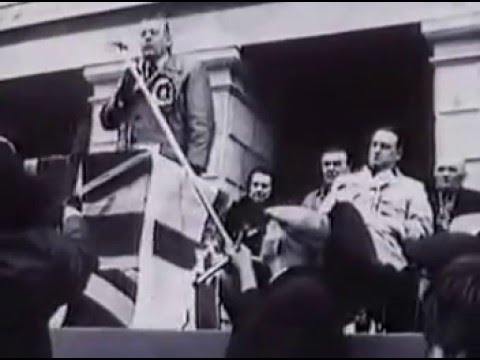
Ulster Workers' Council Strike halts Northern Ireland against Sunningdale Agreement.
Ireland
Political
Social Unrest
3 min read
Updated By: History Editorial Network (HEN)
Published:
The Ulster Workers' Council Strike was a pivotal event in Northern Ireland's history, marked by a widespread shutdown of services and industries in protest against the Sunningdale Agreement. This agreement aimed to establish a power-sharing government in Northern Ireland, which many unionists opposed due to concerns about their identity and position within the United Kingdom.
The strike, led by the Ulster Workers' Council, swiftly brought the region to a standstill, with essential services such as transport, healthcare, and even garbage collection ceasing to operate. The impact was profound, causing economic disruption and social unrest as the population felt the effects of the widespread shutdown.
In response to the strike, the British government deployed troops to maintain order and alleviate the consequences of the strike on the populace. Despite these efforts, the strike continued for over two weeks, displaying the depth of opposition to the Sunningdale Agreement among certain factions in Northern Ireland.
Ultimately, the strike succeeded in its objective, as the Sunningdale Agreement collapsed under the pressure of the unionist opposition. The events of the strike highlighted the deep divisions within Northern Irish society and the challenges of reaching a consensus on matters of governance and identity.
#UlsterWorkersCouncil #SunningdaleAgreement #NorthernIreland #Protest #PowerSharing

Explore the Life Moments of
 AI Twin