Implemented Internment Without Trial as a Controversial Measure to Combat Insurgency
Ireland
Political
Conflict
3 min read
Updated By: History Editorial Network (HEN)
Published:
Updated:
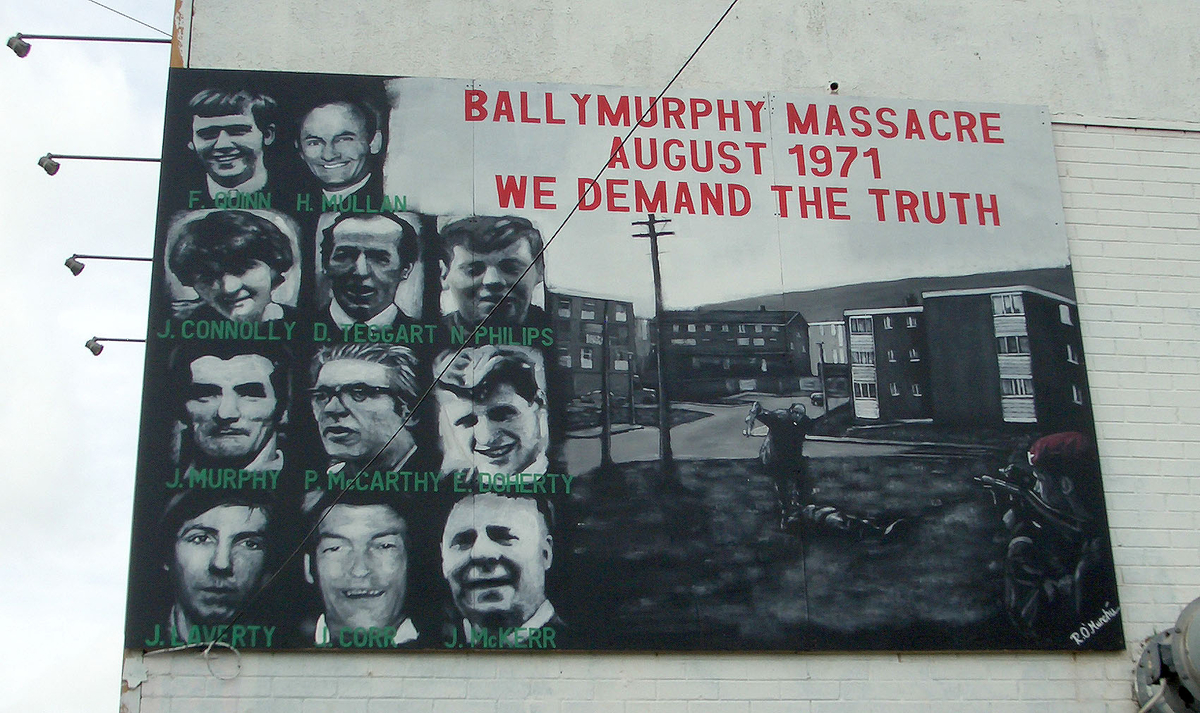
In 1971, amidst escalating violence in Northern Ireland, the British government implemented internment without trial as a controversial measure to combat insurgency by paramilitary groups. This decision allowed for the detention of individuals suspected of being involved in terrorist activities without the need for formal charges or trial.
The introduction of internment sparked widespread protests and heightened tensions within Northern Ireland. Many viewed it as an infringement on civil liberties and a disproportionate response to the conflict. The policy disproportionately affected the Catholic community, leading to further alienation and fueling anti-British sentiments.
Internment without trial in Northern Ireland resulted in mass arrests, widespread civil unrest, and increased violence. The perceived injustice and lack of due process deepened divisions within the community and fueled support for paramilitary organizations.
The implementation of internment without trial in Northern Ireland marked a dark chapter in the region's history, exacerbating conflict and leading to further violence and political unrest. Its legacy continues to shape perceptions and attitudes towards security measures and civil liberties in the region.
#NorthernIreland #Internment #CivilUnrest #Conflict #Paramilitary #BritishGovernment

Explore the Life Moments of
 AI Twin