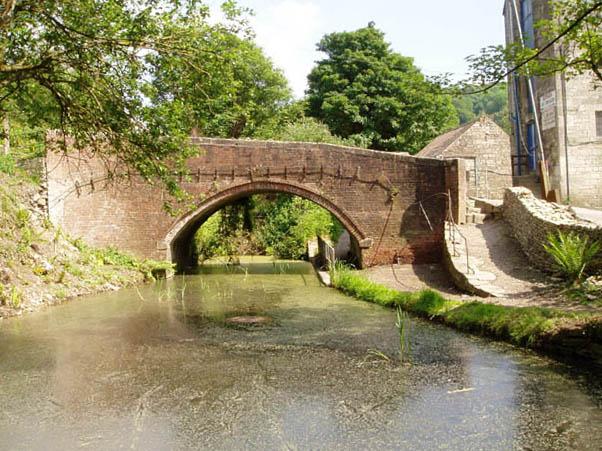
Opening of the Thames and Severn Canal
United Kingdom
Historical Canals
Industrial Revolution
Transportation Infrastructure
3 min read
Updated By: History Editorial Network (HEN)
Published:
Updated:
The Thames and Severn Canal was constructed as part of the broader Canal Mania movement, which aimed to enhance trade and transportation across England. This canal was designed to connect the River Thames at Lechlade to the River Severn at Framilode, facilitating the movement of goods between the two major rivers. The canal's opening marked a pivotal moment in the expansion of the canal network, which was inspired by the commercial success of earlier canals, particularly the Bridgewater Canal. By the time the Thames and Severn Canal was operational, a national network of canals was beginning to take shape, significantly impacting the economy and transportation infrastructure of the region.
The construction of the Thames and Severn Canal was a technical achievement, featuring a series of locks and aqueducts that allowed boats to navigate the varied terrain. The canal played a crucial role in the movement of coal, timber, and other goods, contributing to the industrial growth of the areas it served. However, as the railway system developed, the reliance on canals diminished. By the 1820s, the railway had begun to replace canals as the primary means of transporting goods, leading to a decline in the use of the Thames and Severn Canal. Despite this, the canal remains an important part of England's transportation history, illustrating the transition from canal to rail transport and the evolution of logistics in the industrial era.
#mooflife
#MomentOfLife
#ThamesAndSevernCanal
#CanalMania
#IndustrialRevolution
#TransportationHistory
#CanalNetwork

Explore the Life Moments of
 AI Twin