James Watt Perfects Steam Engine
United Kingdom
Engineering
Industrial Revolution
Inventions
4 min read
Updated By: History Editorial Network (HEN)
Published:
Updated:
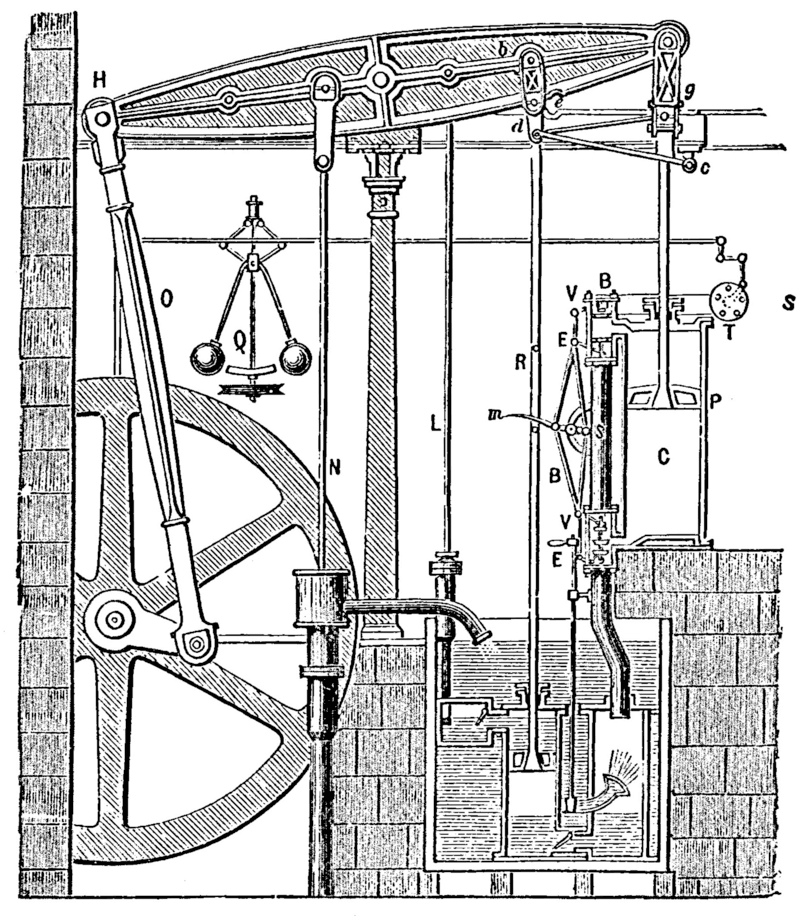
James Watt, a Scotsman, made pivotal advancements in steam engine technology that transformed industrial operations. With the financial backing of his business partner, Matthew Boulton, Watt focused on enhancing the efficiency of steam engines, which were crucial for powering machinery during the Industrial Revolution. His innovations included the closure of the upper part of the cylinder, allowing low-pressure steam to drive the piston instead of relying on atmospheric pressure. This design change significantly improved the engine's performance. Additionally, Watt introduced a separate steam condenser chamber, which eliminated the need for cooling water that had previously been injected into the cylinder. This innovation not only streamlined the operation but also reduced energy loss, leading to a more efficient engine overall.
The impact of Watt's perfected steam engine was substantial. His engines consumed only 20-25% of the coal per horsepower-hour compared to the earlier Newcomen engines, marking a significant reduction in fuel consumption. This efficiency made steam power more accessible and economically viable for various industries, including mining, manufacturing, and transportation. The widespread adoption of Watt's steam engine facilitated the growth of factories and the expansion of railways, contributing to the rapid industrialization of society. As a result, Watt's contributions laid the groundwork for modern engineering and industrial practices, influencing the trajectory of technological development for generations to come.
#mooflife
#MomentOfLife
#JamesWatt
#SteamEngine
#IndustrialRevolution
#MatthewBoulton
#EngineeringInnovations

Explore the Life Moments of
 AI Twin