Invention of the Electric Light Bulb
United Kingdom
Inventions
Industrial Revolution
Electricity
3 min read
Updated By: History Editorial Network (HEN)
Published:
Updated:
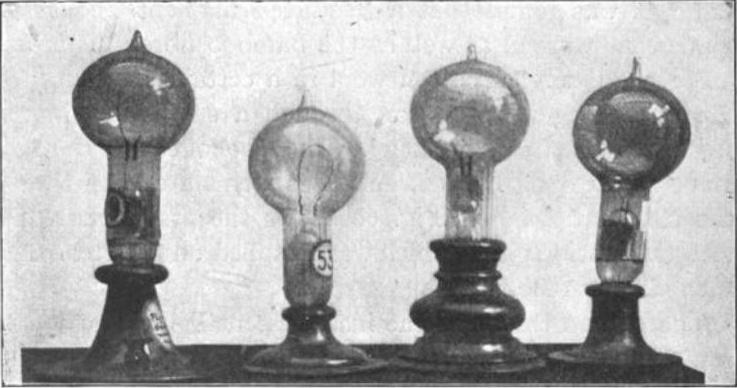
The invention of the electric light bulb marked a pivotal advancement in technology and society. Prior to this innovation, gas lighting was the primary source of illumination, with the first gas lighting utilities established in London. These utilities significantly influenced urban life by allowing factories and stores to operate for extended hours, thereby enhancing productivity and contributing to the growth of nightlife in cities. However, gas lighting had limitations, including safety concerns and the quality of light produced. The development of the electric light bulb by Thomas Edison provided a more efficient and safer alternative. Edison's design was practical and long-lasting, which made it suitable for widespread use in homes and businesses. This transition from gas to electric lighting not only transformed indoor environments but also had a profound impact on social structures and economic activities. With electric light, people could work and socialize later into the evening, leading to a shift in daily routines and lifestyles. The electric light bulb became a symbol of progress during the Industrial Revolution, improving the quality of life and enabling further technological advancements in various sectors. The widespread adoption of electric lighting also contributed to the growth of electrical infrastructure, which laid the groundwork for future innovations in energy and technology.
#mooflife
#MomentOfLife
#ElectricLightBulb
#ThomasEdison
#IndustrialRevolution
#GasLighting
#TechnologicalAdvancements
Primary Reference
Incandescent light bulb

Explore the Life Moments of
 AI Twin