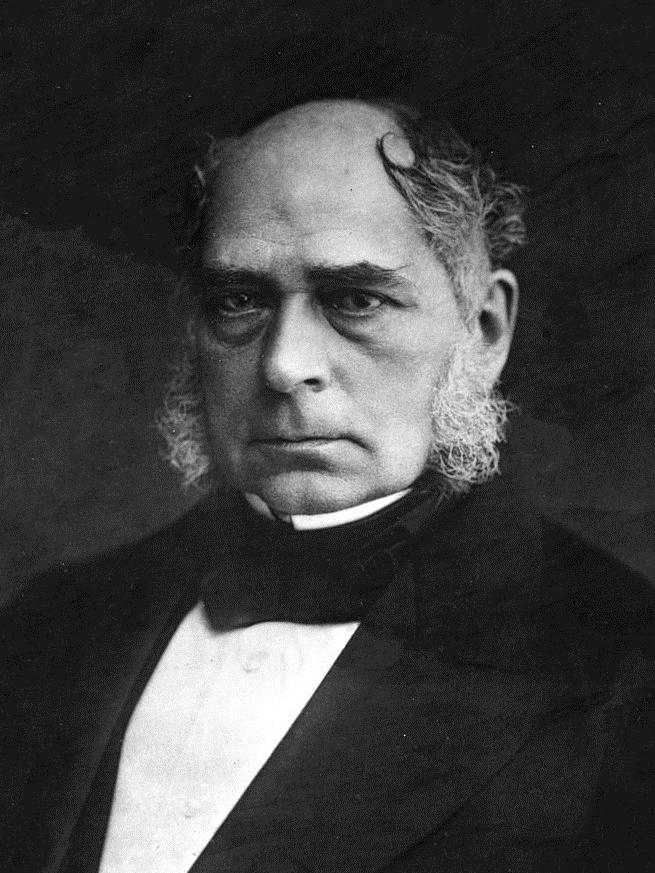
Henry Bessemer Invents New Steel Furnace
United Kingdom
Industrial Innovation
Steel Production
19th Century Inventions
3 min read
Updated By: History Editorial Network (HEN)
Published:
Updated:
Henry Bessemer's invention of a new steel furnace in the 1860s revolutionized the steel production industry. Prior to this innovation, the process of converting pig iron into steel was labor-intensive and inefficient, limiting the scale of production. Bessemer's furnace introduced a method that allowed for the mass production of steel, which was essential for the growing demands of the industrial sector. This advancement played a crucial role in the Second Industrial Revolution, a period characterized by rapid industrial growth and technological innovation. The ability to produce steel in large quantities facilitated the construction of railways, bridges, and buildings, significantly impacting infrastructure development and economic expansion.
The Bessemer process, as it became known, involved blowing air through molten pig iron to remove impurities, resulting in a stronger and more malleable product. This method not only increased the efficiency of steel production but also reduced costs, making steel more accessible for various applications. The impact of Bessemer's invention extended beyond the steel industry; it contributed to advancements in machinery, transportation, and construction, ultimately shaping modern society. The widespread adoption of steel as a primary material laid the foundation for future innovations and industrial practices, marking a pivotal shift in manufacturing and engineering.
#mooflife
#MomentOfLife
#HenryBessemer
#SteelProduction
#IndustrialRevolution
#BessemerProcess
#MassProduction
Primary Reference
Henry Bessemer

Explore the Life Moments of
 AI Twin