Germany's Railway and Industrial Growth
United Kingdom
Transportation
Industrialization
3 min read
Updated By: History Editorial Network (HEN)
Published:
Updated:
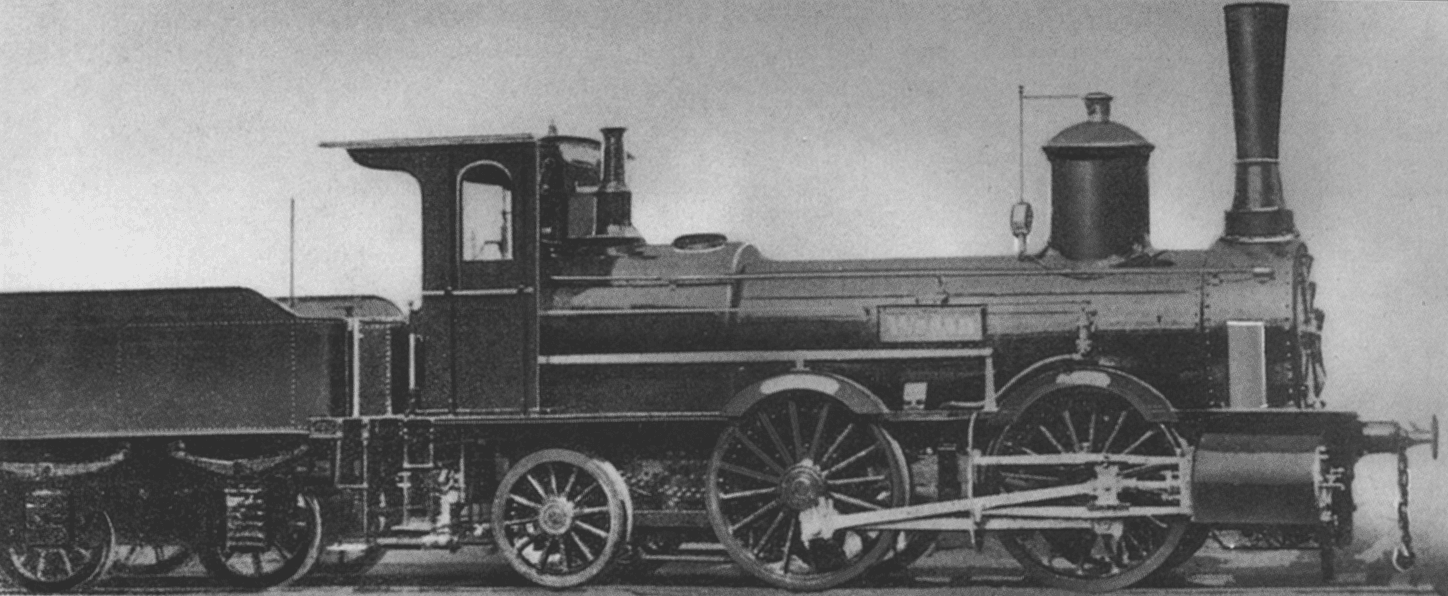
Germany's railway system played a crucial role in the country's industrial growth during the late 19th century. By 1880, the nation boasted 9,400 locomotives, which facilitated the transportation of 43,000 passengers and 30,000 tons of freight. This extensive railway network not only enhanced domestic connectivity but also supported the burgeoning industrial sector by providing efficient access to major ports. The integration of railways into the economy allowed for the rapid movement of raw materials to factories and finished goods to markets, significantly boosting productivity and economic output. The railway system was instrumental in establishing Germany as a leading industrial power, surpassing other European nations, including France, in terms of locomotive numbers and freight capacity.
The impact of this railway expansion extended beyond mere transportation. It catalyzed urbanization, as cities grew around railway hubs, attracting workers and businesses. The industrial sector flourished, particularly in areas such as the chemical industry, where Germany emerged as a dominant force by the late 19th century. The railway system also facilitated trade, both domestically and internationally, allowing German industries to compete effectively on a global scale. The combination of a robust railway network and industrial growth positioned Germany as a key player in the world economy, laying the groundwork for its future economic developments.
#mooflife
#MomentOfLife
#Germany
#RailwayGrowth
#Industrialization
#EconomicDevelopment
#19thCentury
Primary Reference
History of rail transport in Germany
Explore the Life Moments of
 AI Twin