First General Laws Against Child Labour
United Kingdom
Child Labour
Historical Legislation
Factory Acts
3 min read
Updated By: History Editorial Network (HEN)
Published:
Updated:
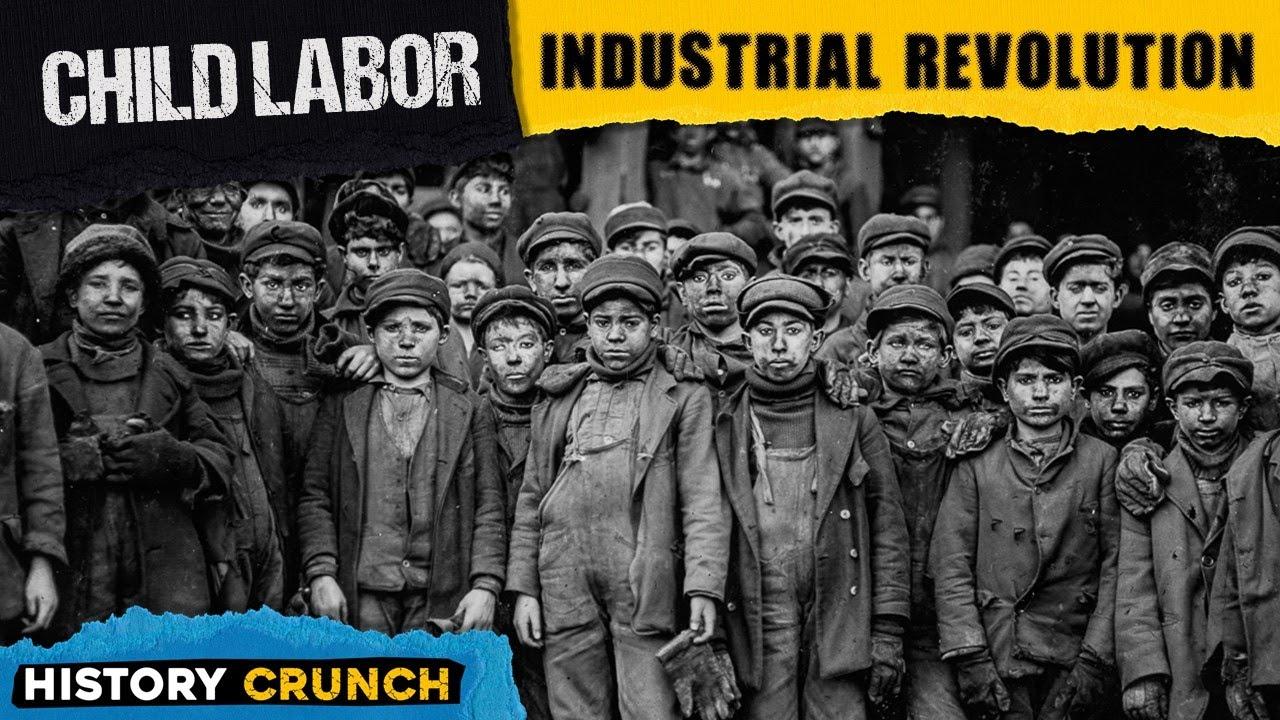
The introduction of the first general laws against child labour in Britain marked a pivotal shift in the treatment of children in the workforce. The Factory Acts established regulations that prohibited children younger than nine from working, aimed to protect the most vulnerable members of society. Additionally, these laws restricted the working hours for those under 18 to a maximum of 12 hours per day and banned night work altogether. This legislative action was a response to the widespread exploitation of child labour during the industrial revolution, where children were often employed in hazardous conditions for minimal pay. The need for such laws arose from the growing awareness of the detrimental effects of child labour on health, education, and overall well-being.
The enforcement of these laws was overseen by factory inspectors, although their limited numbers posed challenges in ensuring compliance. The impact of the Factory Acts was significant, as they laid the groundwork for future labour reforms and highlighted the importance of child welfare in industrial settings. Over time, these regulations contributed to a broader movement advocating for children's rights and better working conditions, influencing similar legislation in other countries. The Factory Acts not only aimed to improve the lives of working children but also reflected a changing societal attitude towards child labour, emphasizing the need for protection and education over economic exploitation.
#mooflife
#MomentOfLife
#ChildLabour
#FactoryActs
#LabourLaws
#Children'sRights
#IndustrialRevolution
Primary Reference
Child labour in the British Industrial Revolution

Explore the Life Moments of
 AI Twin