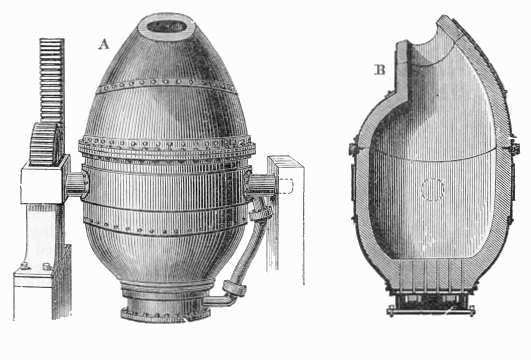
Bessemer Process for Steel Production
United Kingdom
Industrial Innovation
Manufacturing Processes
Historical Technology
4 min read
Updated By: History Editorial Network (HEN)
Published:
Updated:
The Bessemer process, developed by Henry Bessemer, revolutionized steel production by introducing a method that allowed for the mass production of steel. This process involved blowing air through molten iron, which effectively removed impurities and resulted in a more refined product. Prior to this innovation, steel was produced in smaller quantities and at a higher cost, limiting its use in various industries. The introduction of the Bessemer process marked a pivotal shift in manufacturing capabilities, enabling the production of steel on a much larger scale. This advancement played a crucial role in the Second Industrial Revolution, which was characterized by significant technological progress and industrial growth.
The impact of the Bessemer process extended beyond just steel production; it facilitated the expansion of several key industries, including construction, railroads, and shipbuilding. The availability of affordable steel led to the development of stronger and more durable structures, which were essential for the rapid urbanization and infrastructure development occurring during this period. Additionally, the railroad industry benefited immensely, as steel was vital for tracks and locomotives, enhancing transportation efficiency. Shipbuilding also saw improvements, with steel ships being more robust and capable of carrying larger loads. Overall, the Bessemer process not only transformed steel manufacturing but also had lasting effects on various sectors, contributing to economic growth and technological advancement.
#mooflife
#MomentOfLife
#BessemerProcess
#SteelProduction
#IndustrialRevolution
#MassProduction
#HenryBessemer
Primary Reference
Bessemer process

Explore the Life Moments of
 AI Twin