Lodi Dynasty Rises in Delhi
Political
CulturalPatronage
4 min read
Updated By: History Editorial Network (HEN)
Published:
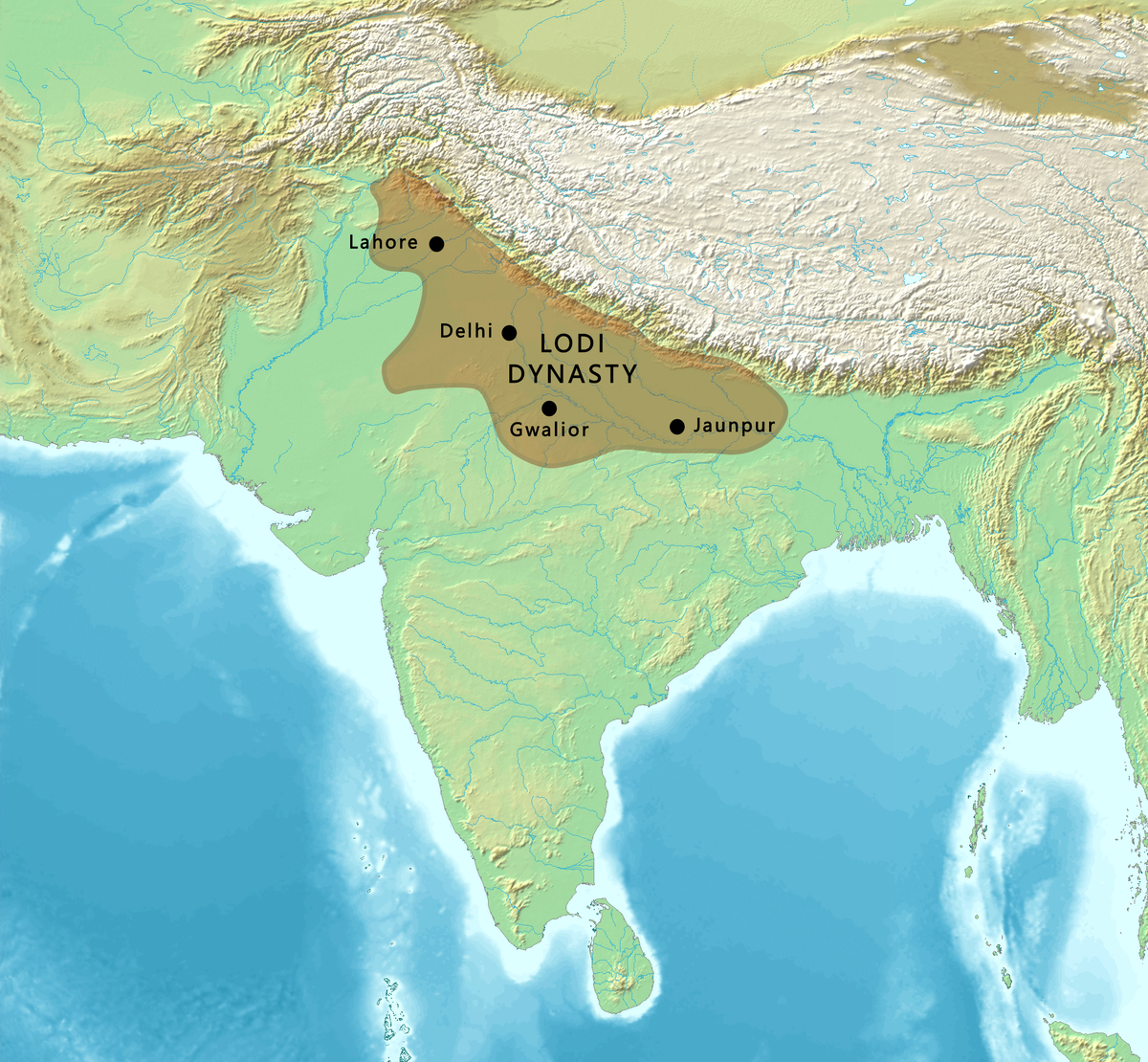
The rise of the Lodi dynasty marked a significant shift in the ruling power in Delhi. After the decline of the Sayyid dynasty, Bahlul Lodi emerged as a prominent Pashtun noble. His prowess in battle and strategic alliances helped him ascend to the throne, eventually establishing the Lodi dynasty in Delhi.
Under the rule of the Lodis, there was a consolidation of power and the establishment of a more centralized administration. Bahlul Lodi and his successors focused on expanding their empire, leading successful military campaigns to annex territories and strengthen their influence in the region. They also promoted cultural exchange, with the flourishing of art, architecture, and literature during their rule.
The Lodi dynasty faced challenges from neighboring powers, particularly the expanding Mughal Empire under Babur. The Battle of Panipat in which Ibrahim Lodi, the last ruler of the dynasty, was defeated by Babur in 1526, marked the end of the Lodi dynasty in Delhi.
The legacy of the Lodi dynasty continues to resonate in India's history, with their rule representing a period of political and cultural dynamism in Delhi and the surrounding regions. Their contributions to art and architecture, such as the construction of the Lodi Gardens in Delhi, stand as a testament to their patronage of cultural endeavors.
Overall, the ascension of the Lodi dynasty in Delhi brought about significant political and cultural changes in the region. Their rule was characterized by military prowess, territorial expansion, and cultural patronage. Despite facing eventual defeat at the hands of the Mughals, the Lodis left a lasting impact on the history of India.
#LodiDynasty #Delhi #IndianHistory #CulturalPatronage #MilitaryExpansion

Explore the Life Moments of
 AI Twin