Willard Bundy Invented a Time Clock
Milwaukee, Milwaukee County, Wisconsin, United States
Invention
Technology
Workplace Innovation
3 min read
Updated By: History Editorial Network (HEN)
Published:
Updated:
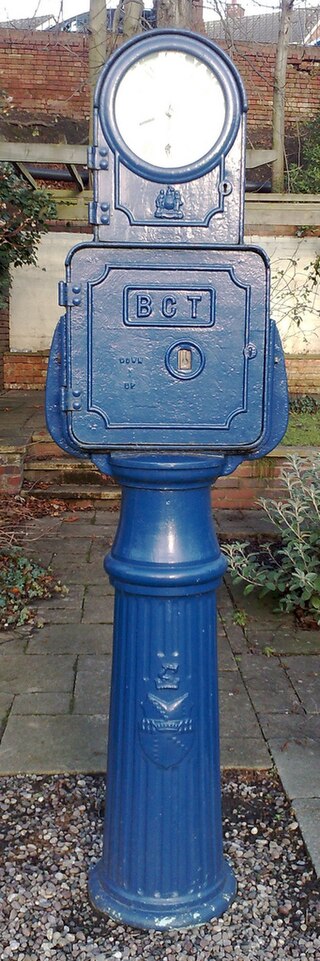
Willard Bundy developed a time clock designed to accurately record the arrival and departure times of workers using a paper tape system. This invention marked a pivotal advancement in timekeeping technology, which was essential for managing labor in industrial settings. Prior to Bundy's invention, tracking employee hours was often done manually, leading to inaccuracies and inefficiencies. The introduction of the time clock streamlined this process, allowing employers to maintain precise records of employee attendance and work hours. This innovation not only improved operational efficiency but also laid the groundwork for future developments in time management and payroll systems. Bundy's invention played a crucial role in the evolution of workplace management tools, ultimately contributing to the formation of larger corporate entities, including IBM, through the amalgamation of several companies in the early 20th century. The impact of Bundy's time clock extended beyond its immediate utility; it represented a shift towards more systematic approaches in labor management, which became increasingly important as industries expanded and labor forces grew. The time clock became a standard tool in workplaces, influencing labor practices and contributing to the development of modern human resource management.
#mooflife
#MomentOfLife
#WillardBundy
#TimeClockInvention
#LaborManagement
#IndustrialTechnology
#IbmHistory
Primary Reference
Employee Punch Clocks

Explore the Life Moments of
 AI Twin