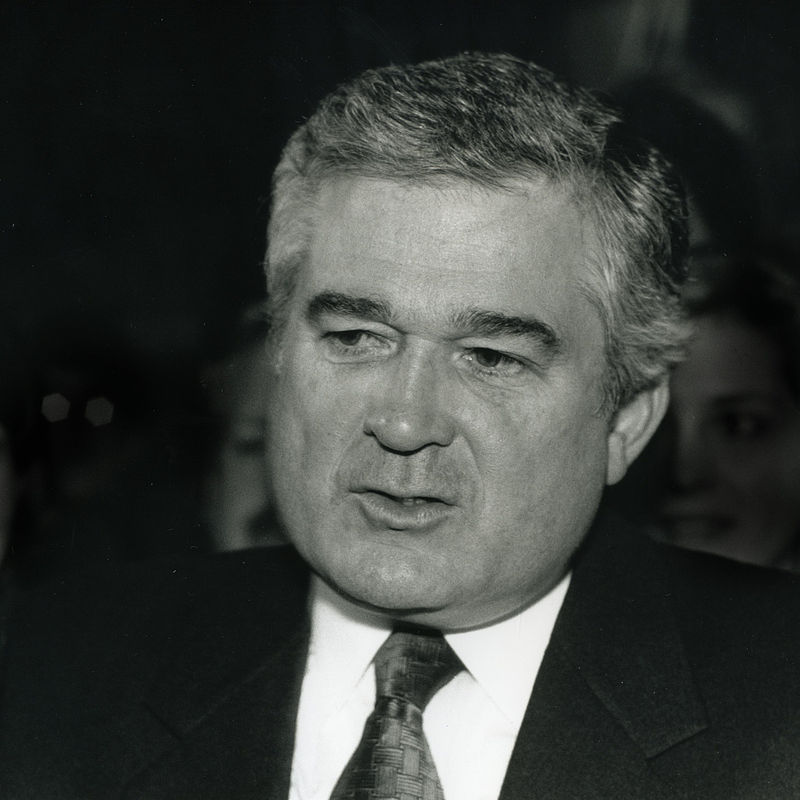
Lou Gerstner Appointed as CEO of IBM
Armonk, Town of North Castle, Westchester County, New York, 10504, United States
Business
Leadership
Corporate Strategy
4 min read
Updated By: History Editorial Network (HEN)
Published:
Updated:
Lou Gerstner was appointed as CEO of IBM with the objective of revitalizing the company, which was facing significant challenges in a rapidly changing technology landscape. His leadership marked a pivotal shift in IBM's corporate culture and strategic direction. Gerstner's approach emphasized a customer-centric model, moving away from the traditional focus on hardware and software products. He recognized the need for IBM to adapt to the evolving market, particularly with the rise of personal computing and the internet. Under his guidance, IBM made strategic acquisitions, including the purchase of Lotus Software, which was known for its popular spreadsheet application, Lotus 1-2-3. This acquisition was part of a broader strategy to enhance IBM's software offerings and compete more effectively in the software market.
During Gerstner's tenure, IBM also faced setbacks, such as the cancellation of the Workplace OS project, which had consumed substantial resources without yielding a viable product. Despite these challenges, Gerstner's leadership is credited with stabilizing the company and laying the groundwork for future growth. He implemented significant organizational changes, streamlined operations, and fostered a culture of accountability and innovation. By the time he stepped down, IBM had transformed into a more agile and competitive entity, focusing on services and software rather than just hardware. Gerstner's leadership not only reshaped IBM's business model but also had a lasting impact on the technology industry as a whole, demonstrating the importance of adaptability and customer focus in a rapidly evolving market.
#mooflife
#MomentOfLife
#Ibm
#LouGerstner
#LeadershipTransformation
#TechnologyIndustry
#CorporateStrategy

Explore the Life Moments of
 AI Twin