IBM's Acquisition of Lotus Software
unknown, Laharighat, Marigaon, Assam, India
Technology
Software
4 min read
Updated By: History Editorial Network (HEN)
Published:
Updated:
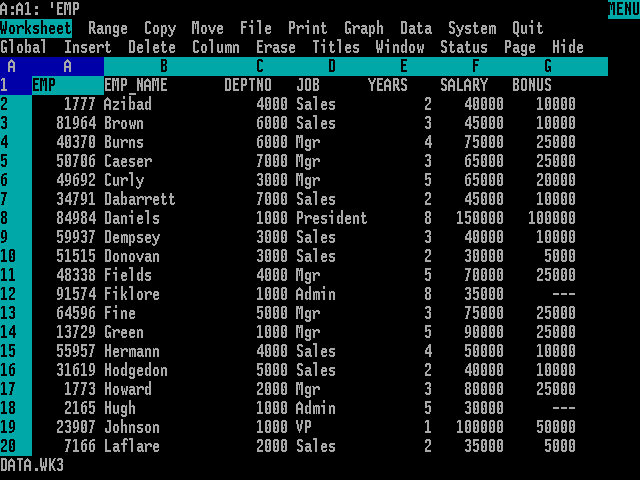
IBM's acquisition of Lotus Software marked a pivotal moment in the evolution of spreadsheet applications. Lotus Software was renowned for its flagship product, Lotus 1-2-3, which played a crucial role in popularizing spreadsheet software in business environments. The software combined spreadsheet, database, and graphics capabilities, making it a versatile tool for data analysis and presentation. At its peak, Lotus 1-2-3 dominated the market, significantly influencing how businesses managed and analyzed data. The integration of Lotus 1-2-3 into IBM's offerings allowed the company to enhance its software portfolio and compete more effectively against emerging rivals, particularly Microsoft Excel, which was gaining traction in the market. This acquisition was part of IBM's broader strategy to strengthen its position in the software industry during a time when personal computing was rapidly evolving. The impact of Lotus 1-2-3 extended beyond its immediate user base; it set standards for spreadsheet functionality and user interface design that would influence future software development. As businesses increasingly relied on data-driven decision-making, the capabilities offered by Lotus 1-2-3 became essential for operational efficiency and strategic planning. The acquisition also reflected IBM's commitment to innovation and adaptation in a changing technological landscape, as it sought to leverage Lotus's expertise to enhance its own software solutions and maintain relevance in the competitive market.
#mooflife
#MomentOfLife
#LotusSoftware
#IbmAcquisition
#Lotus1-2-3
#SpreadsheetSoftware
#DataAnalysis

Explore the Life Moments of
 AI Twin