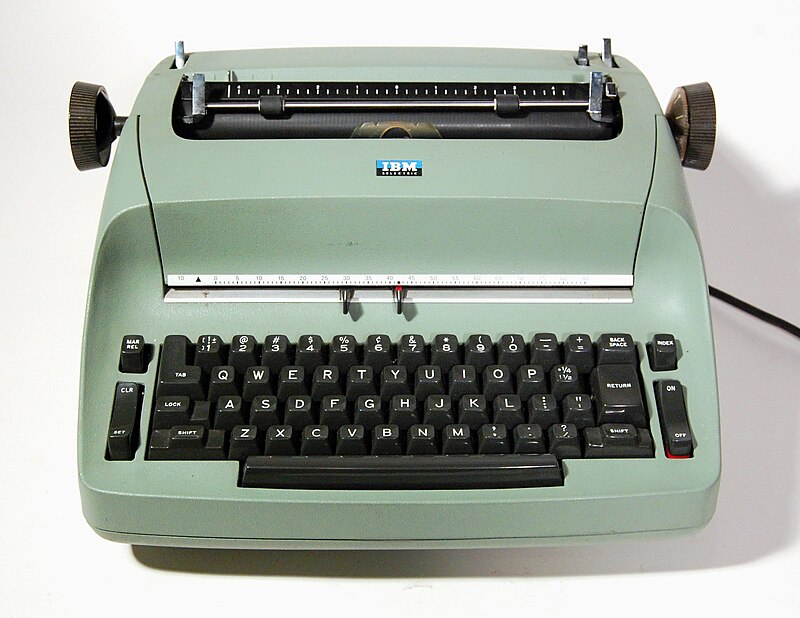
IBM Developed SABRE and Selectric Typewriter
unknown, Laharighat, Marigaon, Assam, India
Technology
History of Computing
Music and Technology
4 min read
Updated By: History Editorial Network (HEN)
Published:
Updated:
IBM played a crucial role in the evolution of technology with the development of the SABRE reservation system and the Selectric typewriter. The SABRE system was created for American Airlines to streamline the booking process, allowing for real-time reservations and improved customer service. This system marked a significant advancement in the travel industry, as it enabled airlines to manage flight schedules and passenger information more efficiently. The introduction of SABRE not only transformed how airlines operated but also set the stage for future innovations in computerized reservation systems across various sectors. By automating the reservation process, SABRE contributed to the growth of air travel, making it more accessible to the general public and enhancing the overall travel experience.
In addition to SABRE, IBM introduced the Selectric typewriter, which became a staple in offices and homes. The Selectric typewriter featured a revolutionary design with a spherical typing element that allowed for faster and more accurate typing. This innovation replaced traditional typebars and significantly reduced the chances of jamming, which was a common issue with earlier typewriters. The Selectric's impact extended beyond its mechanical design; it also influenced the way people interacted with written communication, paving the way for future developments in word processing and office technology. Furthermore, IBM's use of the IBM 7094 to generate the first computer-sung song, "Daisy Bell," showcased the company's pioneering efforts in computer-generated music, highlighting the intersection of technology and creativity. Together, these innovations reflect IBM's commitment to advancing technology and its lasting influence on various industries.
#mooflife
#MomentOfLife
#Ibm
#Sabre
#SelectricTypewriter
#TechnologyInnovation
#TravelReservationSystem

Explore the Life Moments of
 AI Twin